AVSEC Opinion – 9/11 + 10: a reflection


The use of dogs in the detection of narcotics and explosives is nothing new. Canine units are part and parcel of many a law enforcement agency’s arsenal and dogs' olfactory sensitivities well known. Despite this, whilst Customs, Quarantine and Bio-security agencies routinely deploy them at border crossings, including airports, to sniff out illicit imports, there has been a reluctance to utilise them in pre-flight security screening. Philip Baum visited Moscow to see how one airline has invested in its own canine unit. Not only has Aeroflot embraced them as part of the counter-terrorist solution, the Russian carrier has gone a step further and is actively breeding its own dogs to ensure that their four-legged agents are the best in the pack.
Technology is fundamental to the provision of an effective security system. As those we aim to guard ourselves from go increasingly hi-tech, so must we respond in kind; ideally we should be ahead of their game. Having technological capability is one thing, using it in the right manner something altogether different. Philip Baum asks some of the industry’s leading lights in the area of technological development and solution provision their views as to how we ought to strike the correct balance between technology and human factors, how technology can respond to the threats of the future and how we can improve our current system using available solutions.
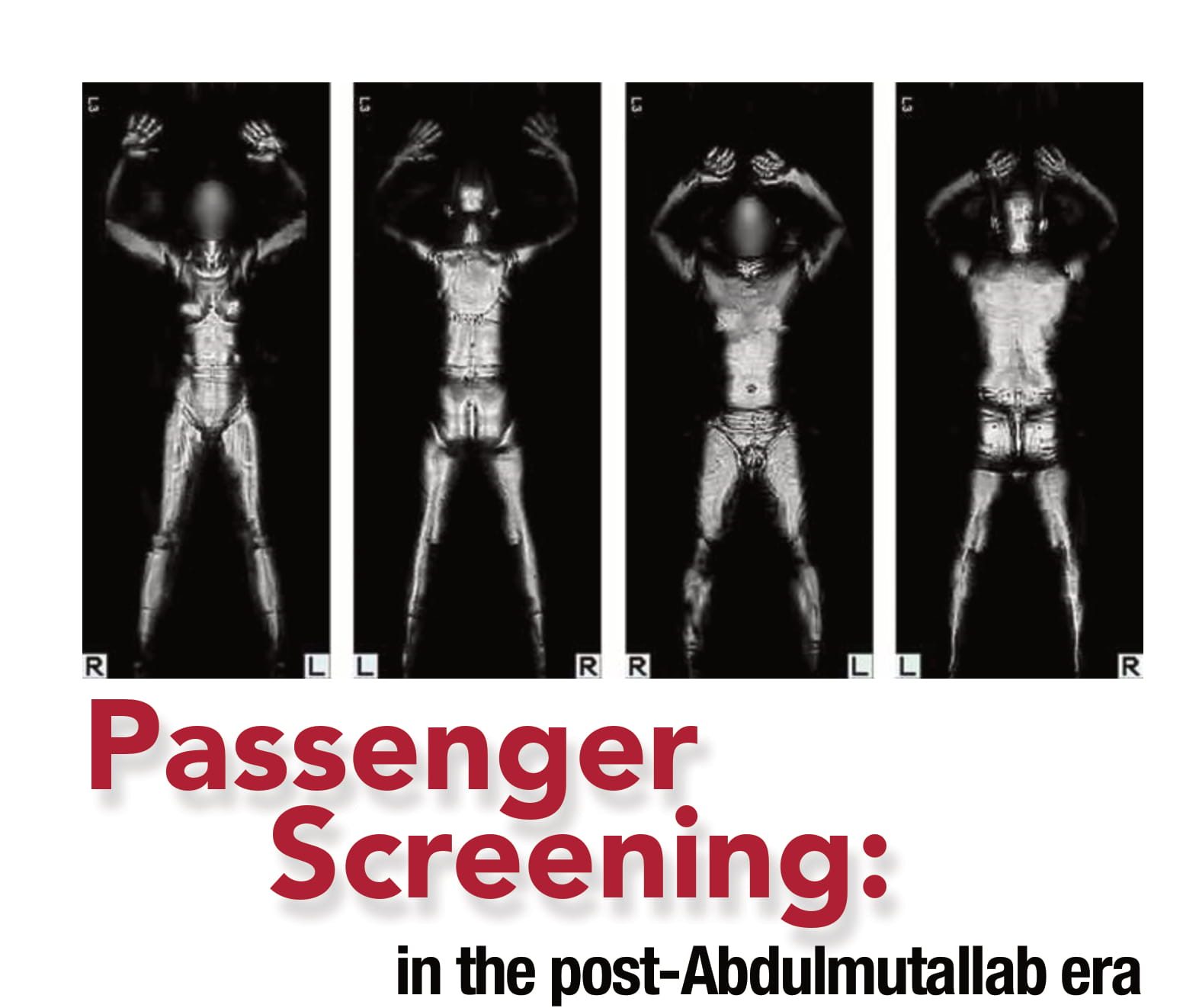
The Christmas Day attempted downing of a Northwest Airlines flight has brought into focus the need for technologies that can detect devices concealed beneath the clothing or within the body. Philip Baum reviews the solutions available and considers how they might best be incorporated into the passenger screening checkpoint.
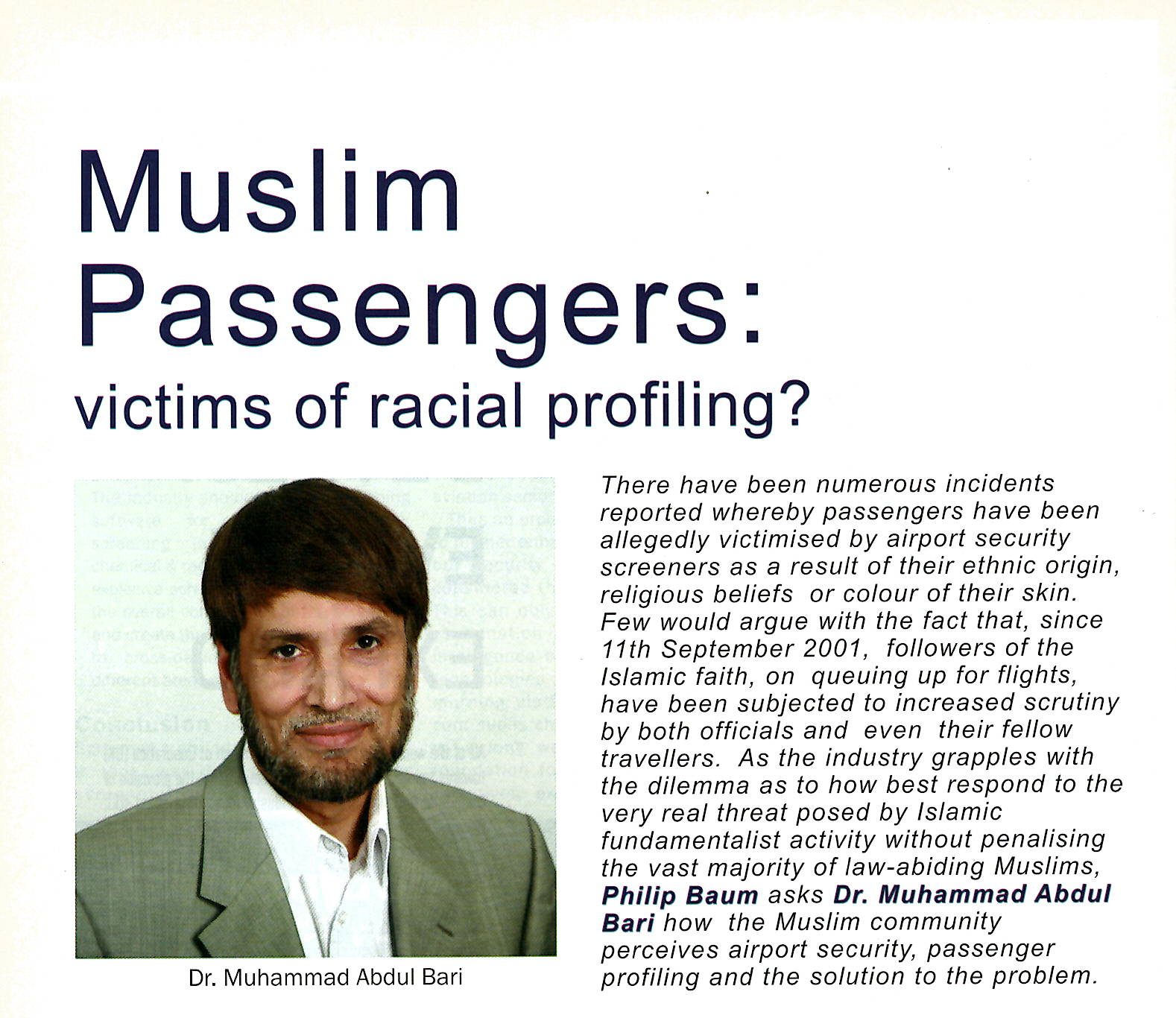
There have been numerous incidents reported whereby passengers have been allegedly victimised by airport security screeners as a result of their ethnic origin, religious beliefs or colour of their skin. Few would argue with the fact that, since 11th September 2001, followers of the Islamic faith, on queuing up for flights, have been subjected to increased scrutiny by both officials and even their fellow travellers. As the industry grapples with the dilemma as to how best respond to the very real threat posed by Islamic fundamentalist activity without penalising the vast majority of law-abiding Muslims, Philip Baum asks Dr. Muhammad Abdul Bari how the Muslim community perceives airport security, passenger profiling and the solution to the problem.
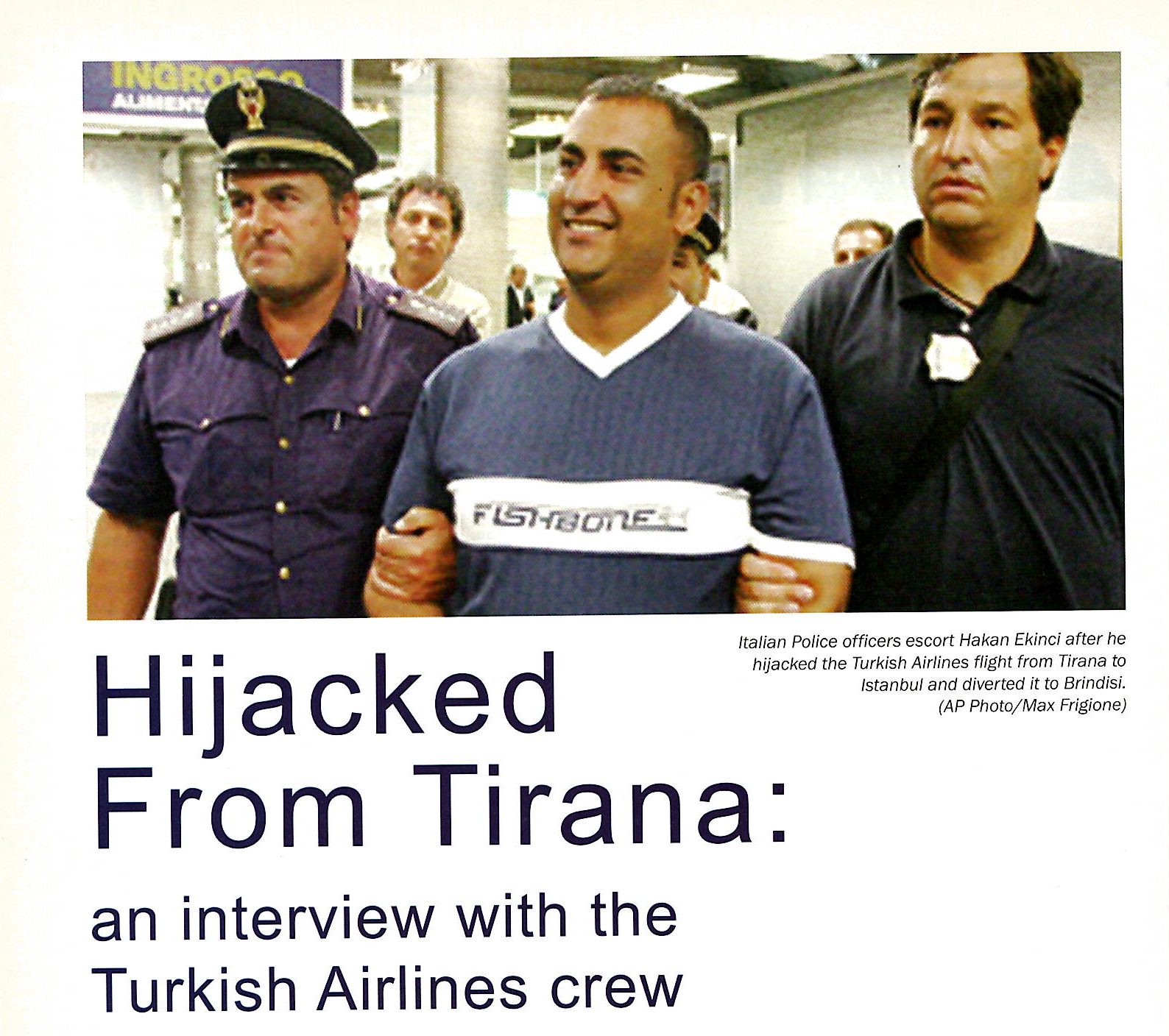
On 3rd October 2006 Turkish Airlines flight 1476 departed Tirana, Albania, for Istanbul. In the cockpit were Captain Mürsel Gökalp (MG) and First Officer Yavuz Yilmaz, both former members of the Turkish Air Force. In the cabin were Chief Flight Attendant Nazenin Donder (ND) and three other crewmembers looking after the 107 passengers on board. Amongst those passengers were Sabri Abazi, an Albanian Member of Parliament, four beauty queens who had been participating in the Miss Globe international pageant, and one Hakan Ekinci who, shortly after take-off hijacked the aircraft to Brindisi, Italy. Philip Baum (PB) travelled to Istanbul to interview the crew of the flight who now tell their tale...
The answers to many of our security woes are provided by some of the revolutionary technologies being developed by both the security giants and the ambitious, yet creative, manufacturing minnows. Philip Baum collates some of the products that are likely to have an impact on the safeguarding of the aviation industry in the not too distant future. Whilst there is no single silver bullet to counter all threats, technologies do exist that can significantly enhance the effectiveness of our aviation security regime.
After every "successful" attack against civil aviation, heads turn towards the gurus of aviation security for advice and analysis. Israel, due to its unique history in battling terror in the skies, is often proffered as a case study of excellence. Whilst many of the methodologies utilised have no place in the global arena, there are certainly lessons to be learned from the Israeli approach and technologies that may enhance the security of airports and airlines elsewhere around the world. With this in mind, the Israel Export and International Cooperation Institute opened the doors of airports, seaports, border crossings and manufacturers in early December and invited representatives of overseas airports, airlines and regulatory authorities to "come and see". Philip Baum joined the tour and reports here on security Holy Land-style.
The hijacking of the Kato Airline Dornier 228 en route from Narvik to Bodø in September last year may have failed to grasp the attention of the international media. In Norway itself, however, the story had a significant impact. The reality that such a carrier could be target, and on a flight between towns unheard of by almost all non-Norwegian readers of this publication, was a wake-up call to the domestic aviation industry, let alone a lesson the rest of the world could well learn.
There are many new security technologies lurking in the wings. Some may yet take centre stage in the industry's attempt to prevent criminal acts against civil aviation. Philip Baum rounds up a few of the latest offerings to hit the market that offer an innovative approach to resolving a long-standing problem.