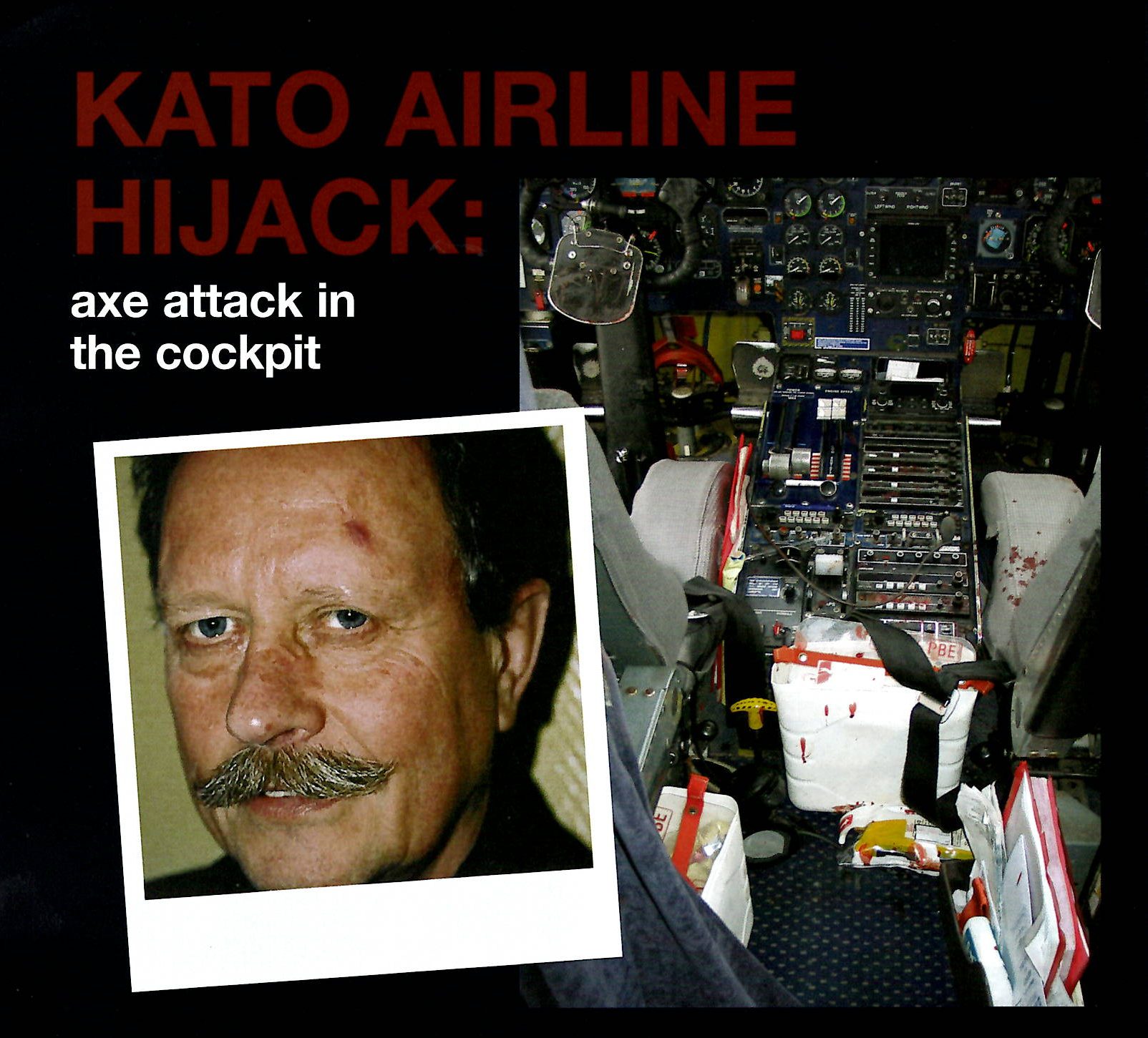
Interview – Kato Airline Hijack: axe attack in the cockpit

On the morning of 29 September 2004, a Kato Airline Dornier 228 departed the Norwegian town of Narvik on one of its daily flights to Bodø. Shortly before landing, a man, armed with an axe, charged into the cockpit and attacked the Captain and First Officer in an apparent suicide bid. Given that only 18 months have passed since a similar attack on a Qantas flight to Tasmania, the industry now has to recognise that such suicidal hijackers are the latest challenge to the aviation security system. They can strike any airline, anywhere, and there is unlikely to be much in the way of intelligence to help prevent such an incident. Indeed, the two latest incidents, on opposite sides of the world are a far cry from the high-risk routes we tend to focus much of our attention on. Philip Baum travelled to Stavanger to interview Captain Stein Magne Lian the pilot-in-command of Kato Airline flight 605, about the incident...
By |2025-04-09T12:41:56+00:00December, 2004|

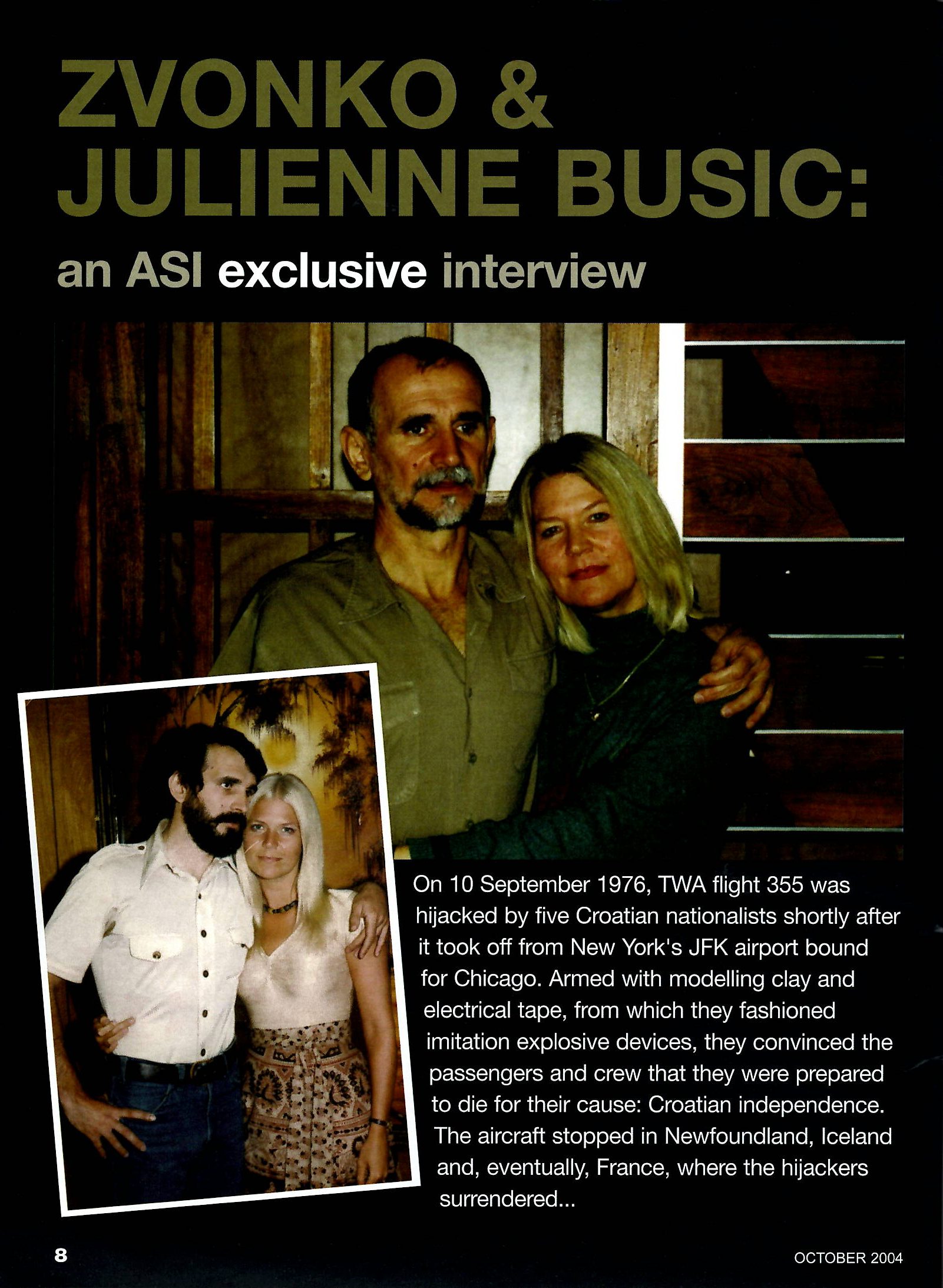
Interview – Zvonko & Julienne Busic: an ASI exclusive interview

On 10 September 1976, TWA flight 355 was hijacked by five Croatian nationalists shortly after it took off from New York's JFK airport bound for Chicago. Armed with modelling clay and and electrical tape, from which they fashioned imitation explosive devices, they convinced the passengers and crew that they were prepared to die for their cause: Croatian Independence. The aircraft stopped in Newfoundland, Iceland and, eventually, France, where the hijackers surrendered...

By |2025-04-09T12:41:29+00:00October, 2004|

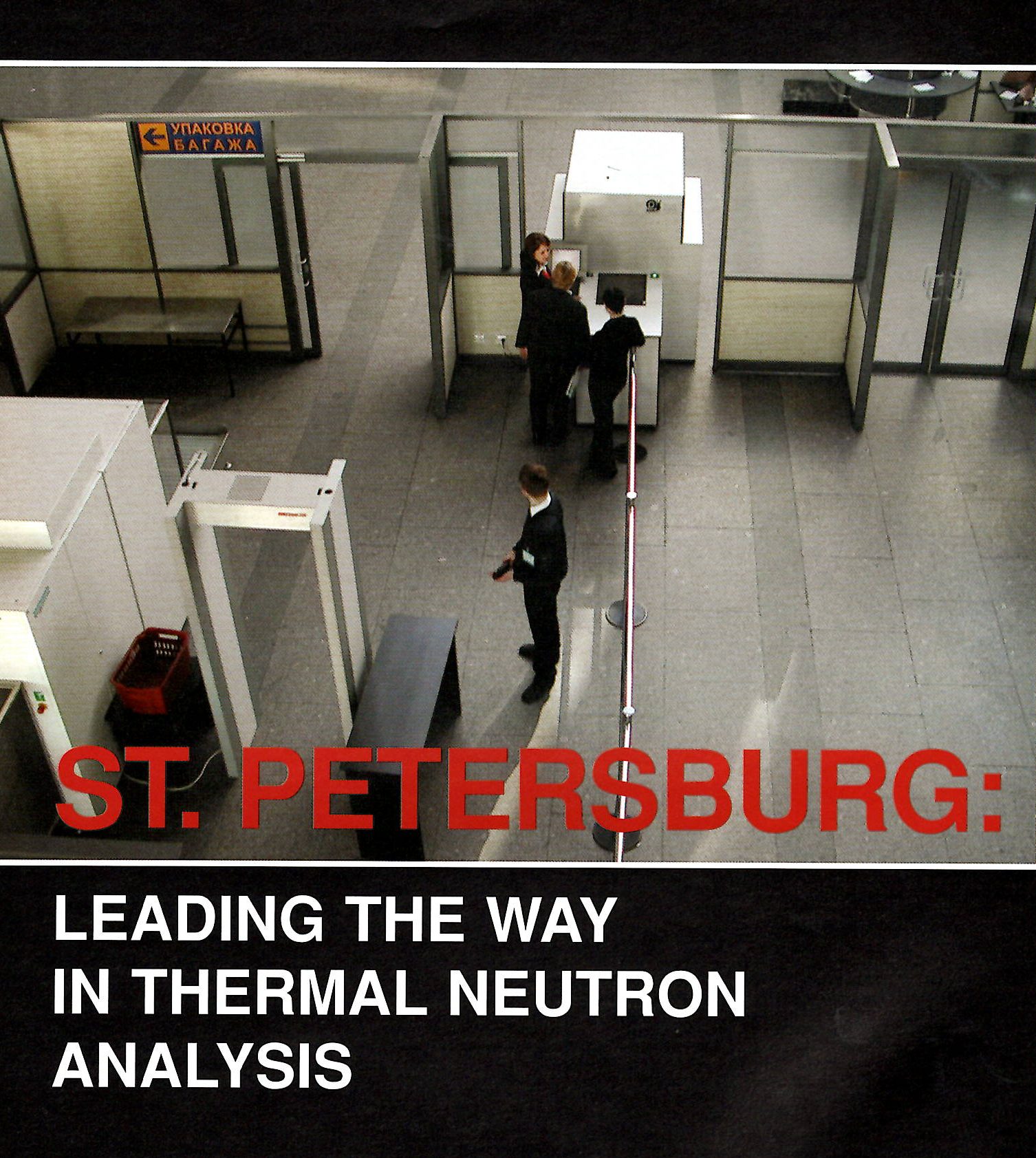
St. Petersburg: leading the way in thermal neutron analysis

Russia may not be where one first turns ones attention to when considering emerging security technologies, yet as Philip Baum discovers, perhaps we have had blinkered vision. For, in St. Petersburg's Pulkovo Airport, together with 100% inspection of check-in and carry-on baggage, Thermal Neutron Analysis (TNA) explosive detection systems are now part and parcel of the security infrastructure.

By |2025-04-09T12:41:07+00:00April, 2004|

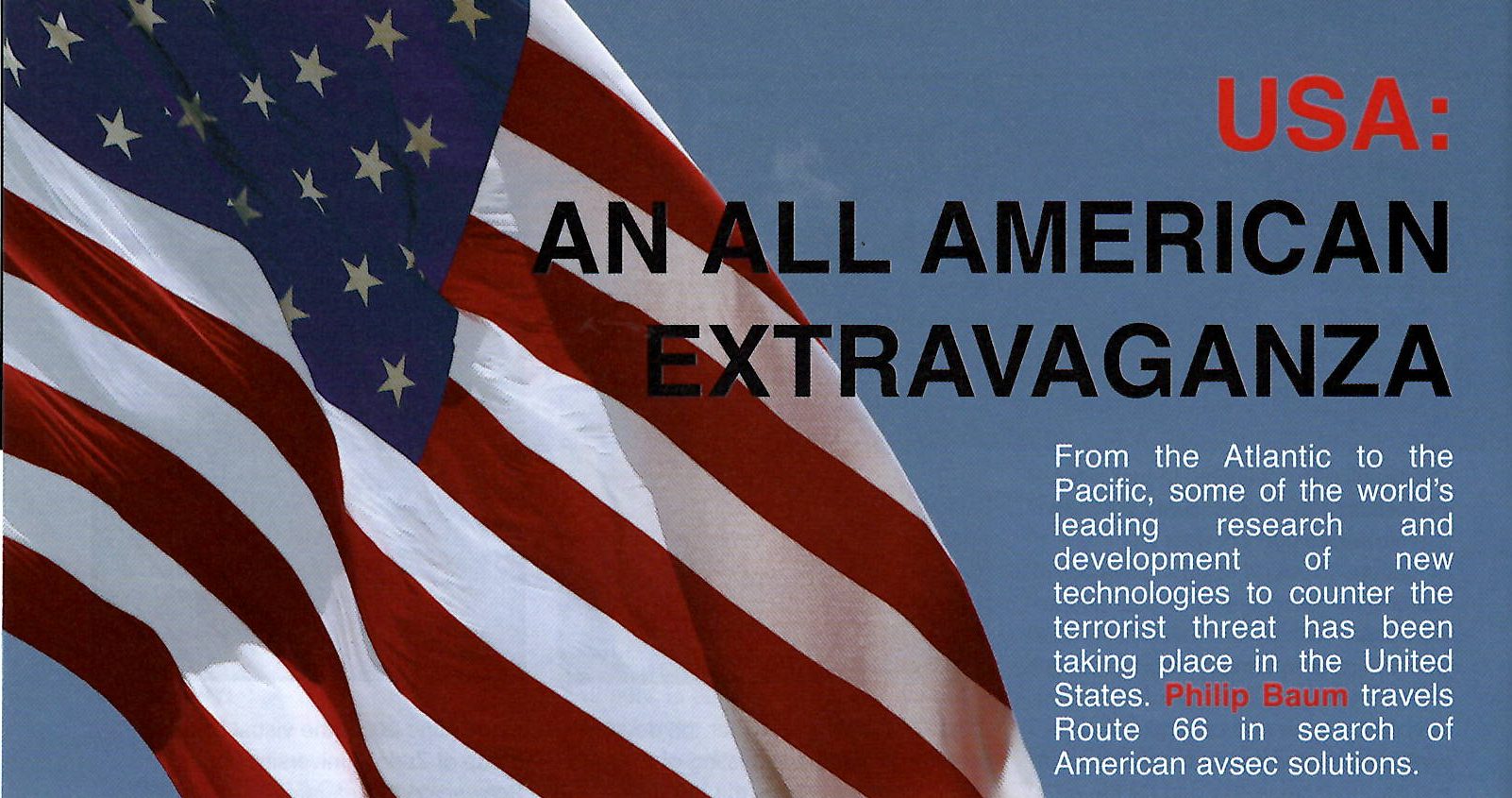
USA: An All American Extravaganza

From the Atlantic to the Pacific, some of the world's leading research and development of new technologies to counter the terrorist threat has been taking place in the United States. Philip Baum travels Route 66 in search of American avsec solutions.

By |2025-04-09T12:40:52+00:00February, 2004|

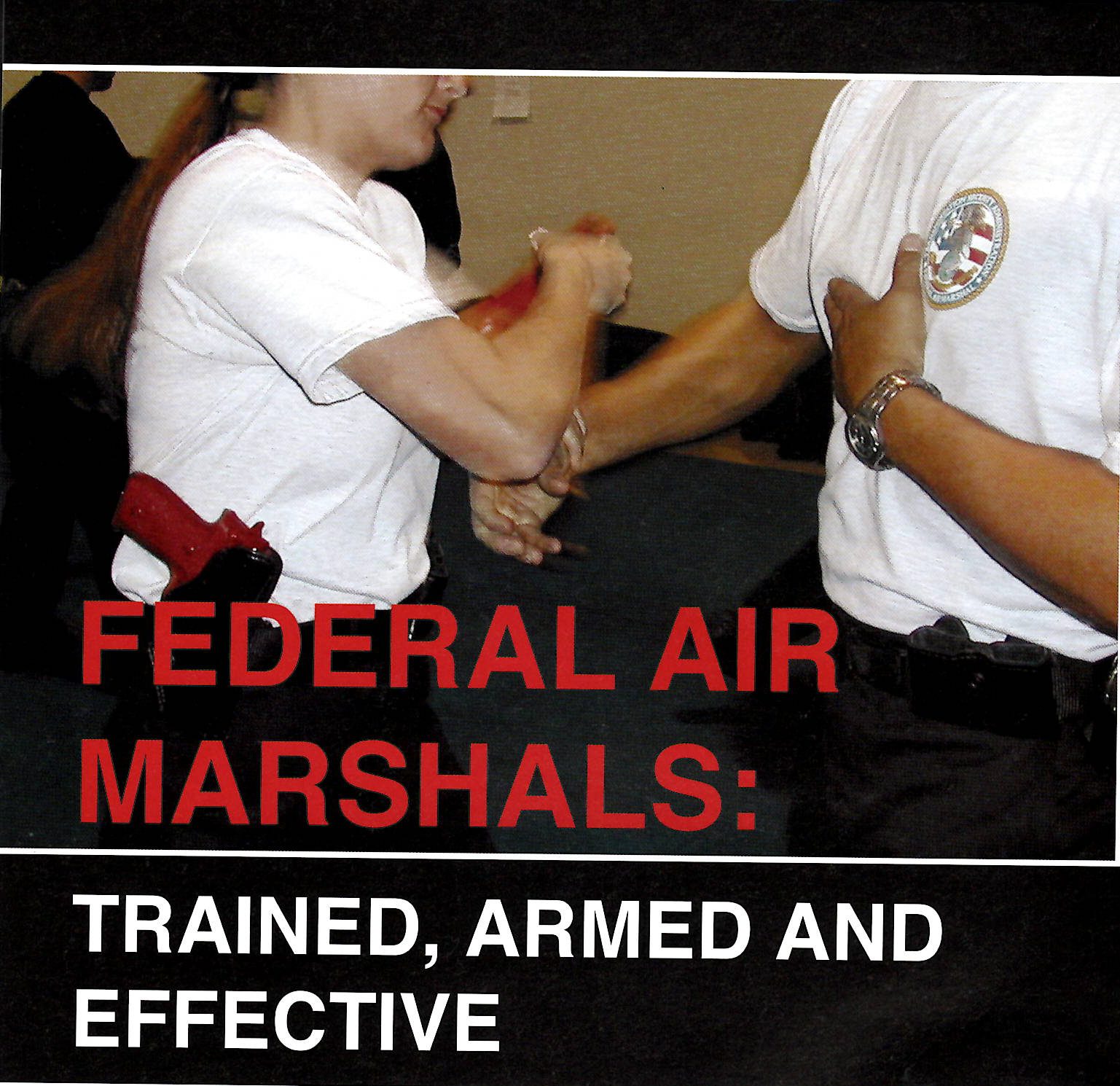
Federal Air Marshals: trained, armed and effective

The international debate surrounding sky marshal deployment has captivated the world's media. To deploy or not to deploy? Armed or not? A danger to flight safety or a necessary measure to respond to the current threat? Many questions to which Philip Baum sought answers when he headed to Atlantic City to look at the American air marshal training programme and interview the programme's Director, Thomas Quinn, exclusively for Aviation Security International.

By |2025-04-09T13:02:25+00:00February, 2004|

Interview – Independence Day Rage: a victim’s tale

On 4 July 2001, Kristen L. Skogrand was a passenger on Lufthansa Flight DLH 449 from Phoenix to Frankfurt. What should have been a pleasant Independence Day flight turned into a nightmare in which he became a victim of air rage. Philip Baum ascertains Skogrand's view as to just how this incident turned violent resulting in a flight diversion, litigation and lifelong perjury.

By |2025-04-09T13:02:02+00:00December, 2003|

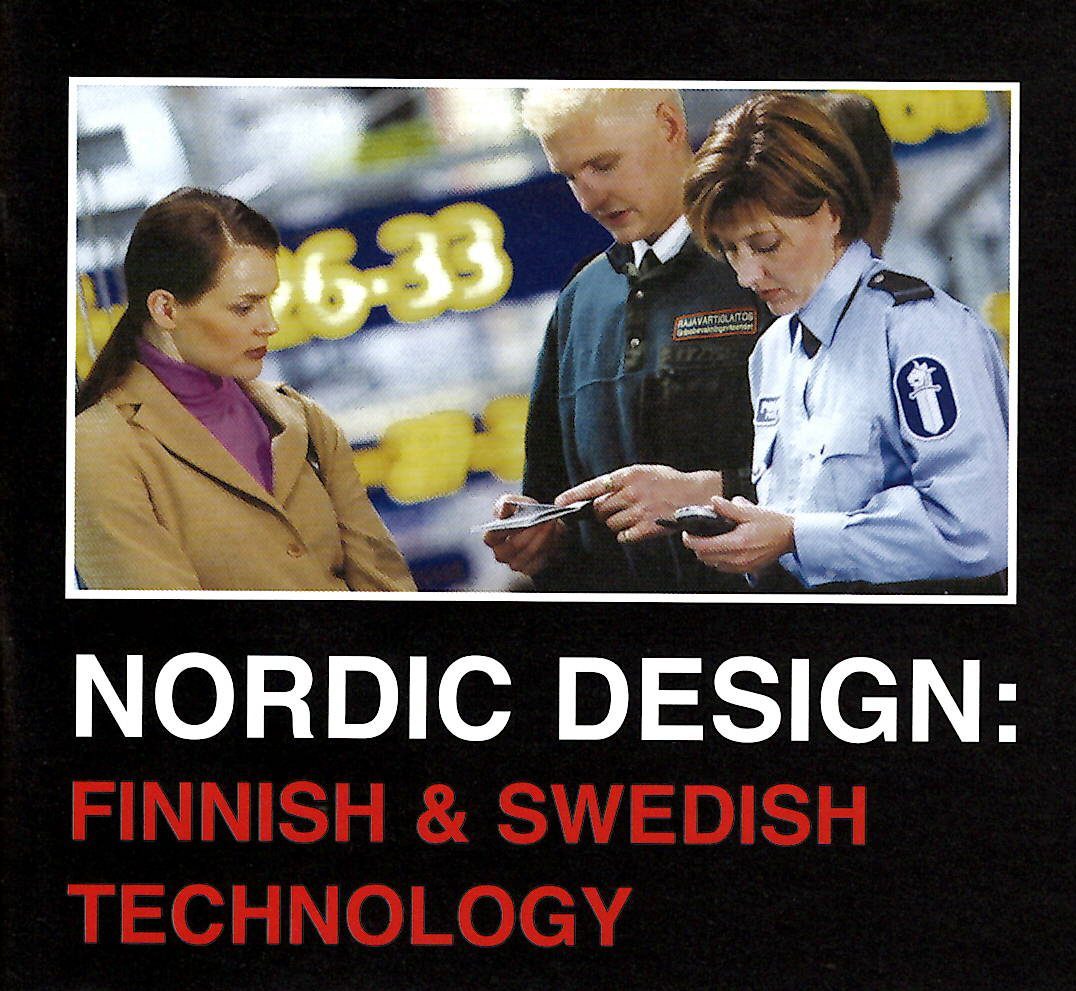
Nordic Design: Finnish & Swedish technology

The Nordic countries have long been renowned for their design capabilities in the fields of fashion, architecture, ceramics and jewellery. Yes, as Philip Baum discovered, even in the security industry the Nordic region is developing some of the most effective, and aesthetic, technologies and some of our industry's most famous names are proud to call it home.

By |2025-04-09T13:01:17+00:00December, 2003|

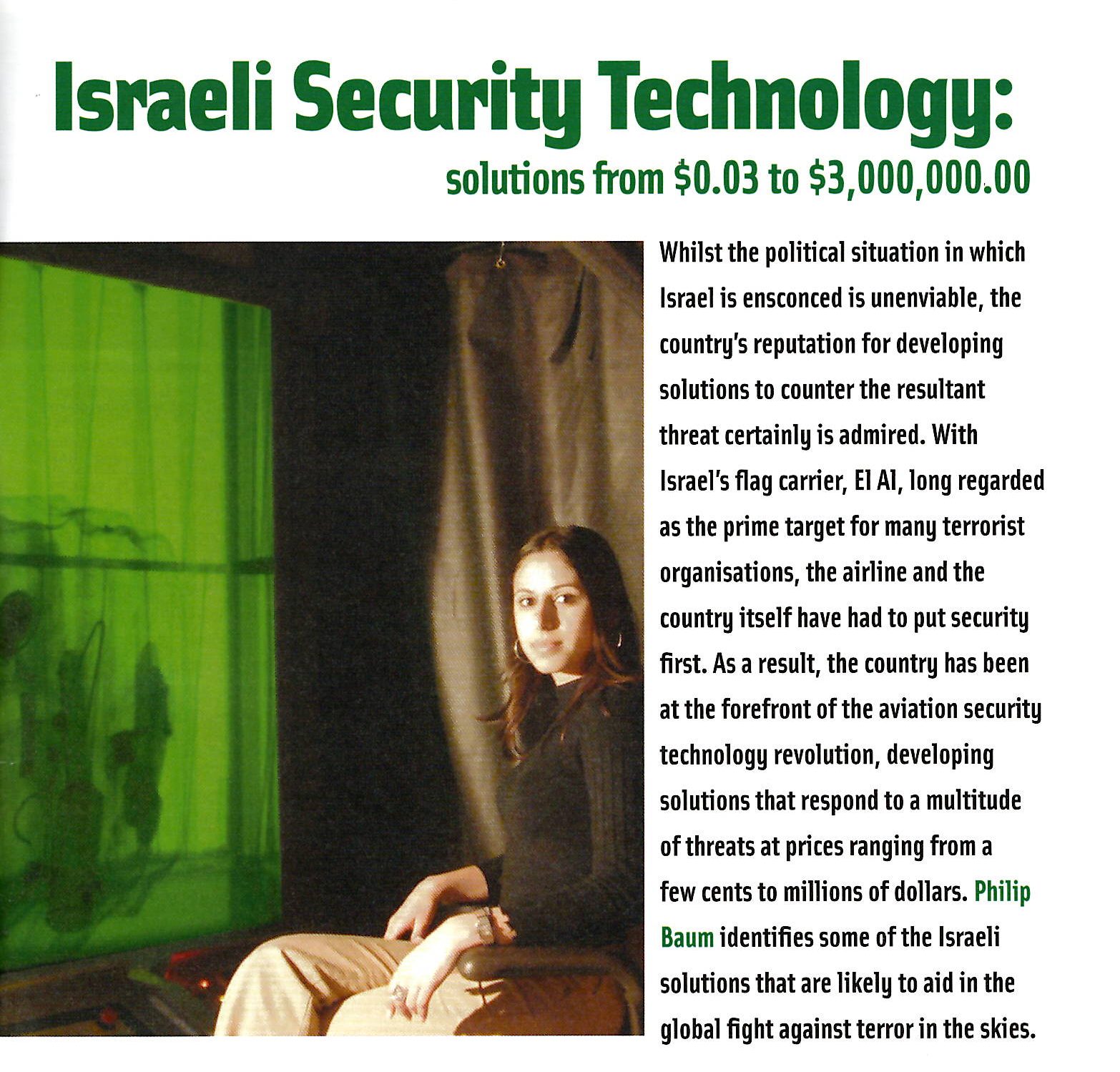
Israeli Security Technology: from $0.03 to $3,000,000.00

Whist the political situation in which Israel is ensconced is unenviable, the country's reputation for developing solutions to counter the resultant threat certainly is admired. With Israel's flag carrier, El Al, long regarded as the prime target for many terrorist organisations, the airline and the country itself have had to put security first. As a result, the country has been at the forefront of the aviation security technology revolution, developing solutions that respond to a multitude of threats at prices ranging from a few cents to millions of dollars. Philip Baum identifies some of the Israeli solutions that are likely to aid in the global fight against terror in the skies

By |2025-04-09T13:01:03+00:00August, 2003|

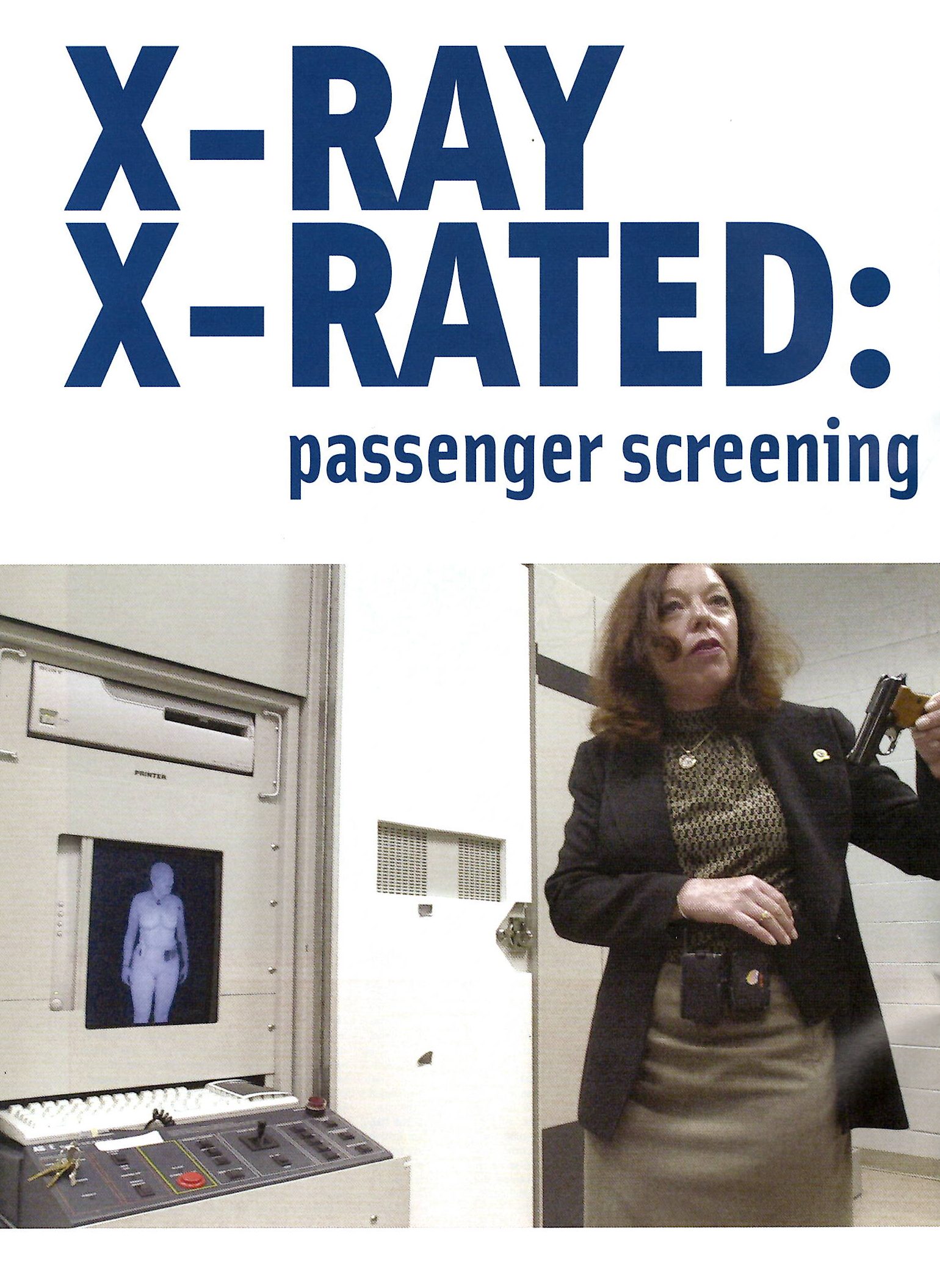
X-Ray X-Rated: passenger screening

The hijacking of a Qantas flight en route to Tasmania in May 2003 was a clear demonstration of the fallibility of screening passengers using metal detection technology alone. Since long before 11th September 2001, manufacturers have been attempting to find a solution that is both effective and acceptable to the flying public. Millimetre wave imaging and actual passengers X-ray are just two of the solutions being mastered. Philip Baum investigates just how far along the road we have gone in the attempt to provide adequate passenger screening.

By |2025-04-09T12:59:52+00:00August, 2003|

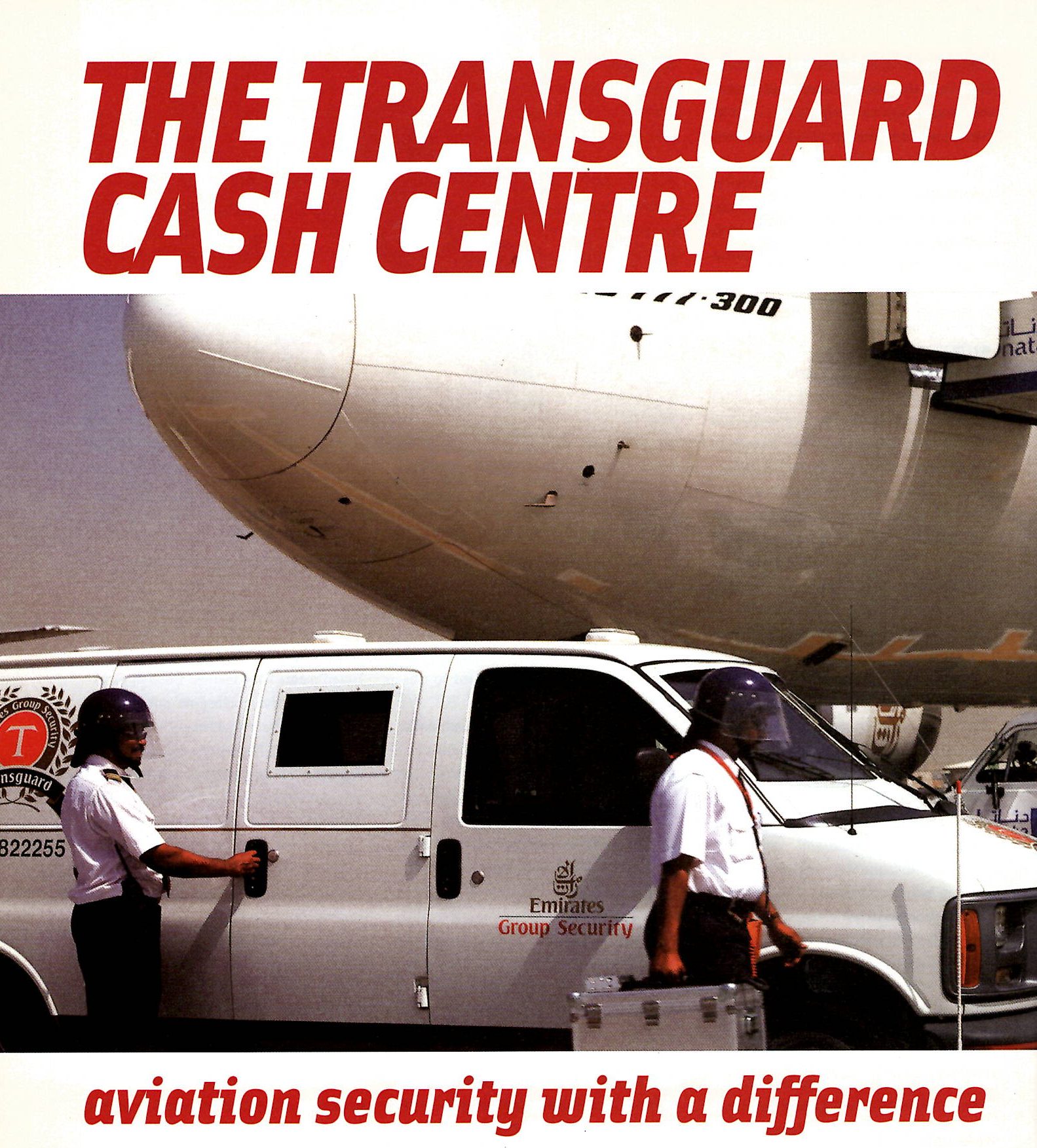
The Transguard Cash Centre: aviation security with a difference

Emirates is synonymous with quality. The airline wins award after award for its inflight service and is widely regarded as one of the world's premier carriers. It is this reputation that has helped it ensure that, despite the war in Iraq having been waged in such close geographic proximity to its home base of Dubai and it serving many of the countries worst affected by SARS, it continues to prosper and flies full...

By |2025-04-09T12:59:38+00:00June, 2003|
Go to Top