We X-ray Bags, We X-ray Pallets, We X-ray Trucks: so why not X-ray planes?

Considerable effort and expense has gone into ensuring that all those who go through airport security checkpoints are screened efficiently. Given the industry’s focus on the search for prohibited items which might be utilised in an attack against an aircraft in-flight, it is surprising that so many of the measures taken are performed a fair distance away from the target itself. It took the events of 11th September 2001 for us to recognise the vulnerability of the cockpit to intruders and it was only as a result of the apparent loss of MH370 last year that spurred us on to actually trying to validate who was on board any flight. So why do we not focus on the aircraft itself and ensure that it is effectively screened, especially in light of the huge concern over the insider threat where somebody who has airside access could infiltrate something into the fuselage. Philip Baum travels to Romania to find out whether we could even X-ray aircraft themselves…and he encounters the Roboscan AERIA.

By |2025-04-09T12:03:13+00:00April, 2015|

Germanwings Flight 4U9525: the latest act of aircraft-assisted suicide?

By |2025-04-09T12:09:28+00:00April, 2015|

Malaysian Airlines Flight MH370: a “deliberate act” but how, by whom and why?

Four weeks have elapsed since the ‘loss’ of MH 370 and one of the greatest mysteries of the modern age continues to fascinate people around the globe, perplex aviation industry professionals and traumatise the families of the passengers and crew on board. Everybody seems to have their theory as, after all, airliners simply do not just fall out of the sky. Whilst this incident may indeed turn out to be a failure of the aircraft itself, or have been instigated due to a fire as a result of goods carried in air cargo, Philip Baum evaluates the viability of each of the criminal acts of interference that might have brought about the disappearance of MH370 and considers the security lessons already learned.

By |2025-04-09T12:32:51+00:00April, 2014|

Web-Based Data Mining: automating aviation security

The big debate in the aviation security industry today is the question of which is better: behaviour-based security or databased security? The answer, of course, is that both are critical. The limitation of this argument is that data-based security is neither defined nor standardised. Delving into this data-based security issue begs a myriad of questions that are difficult for a carrier to answer, such as: Can data alone provide operational security? Can data be transformed into information that is actionable? How will this work? What are the requirements? Is there regulatory value? The deeper we dive the more questions arise. Philip Baum explores one carrier’s initial step into the foray of databased security for aviation and explains how the carrier determined that a web-based platform should be the cornerstone of a comprehensive security programme

By |2025-04-09T12:32:43+00:00February, 2014|

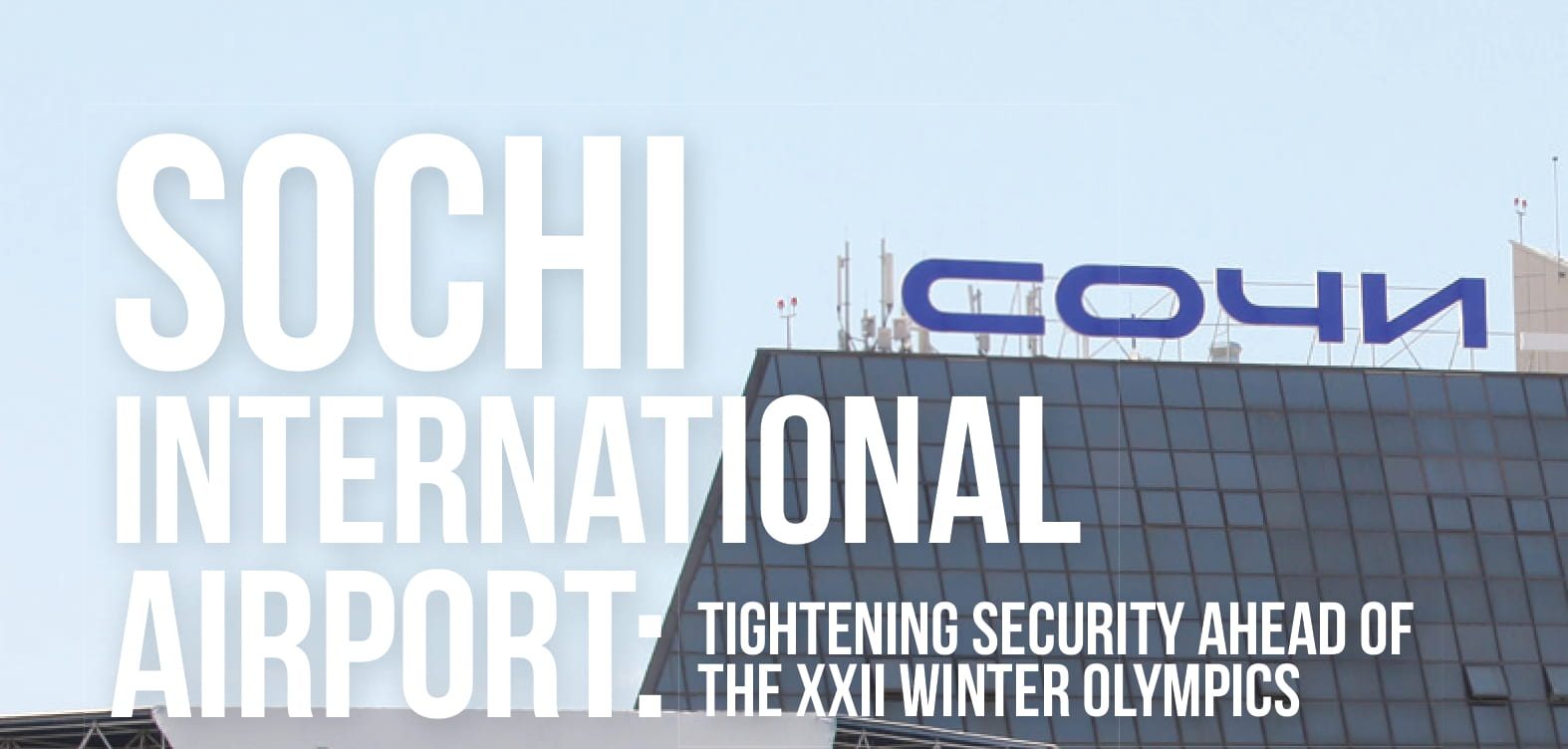
Sochi International Airport: tightening security ahead of the XXII Winter Olympics

The 7th February 2014 will mark the start of the XXII Olympic Winter Games in Sochi. This will be the first major sporting event to take place in Russia since the 1980 Summer Olympics in Moscow. Despite all the excitement surrounding the potential for new sporting records being achieved on the slopes, rinks, tracks and runs, the Games also present fresh security challenges for the organisers. Sochi International Airport is the key transportation hub serving the Games within the region and, as such, it is under intense scrutiny as it prepares to serve up to 3,800 passengers per hour at the peak of the Games’ activity. Philip Baum speaks to the people on the ground whose job it is, in Sochi, to ensure security in the air. How have they prepared for the Olympiad and what will the legacy of the Games be for Sochi?

By |2025-04-09T12:31:54+00:00February, 2014|

Emerging Technologies: it’s not all about X-rays

Whilst not wishing to underestimate human factors, there is little doubt that technology proffers many of the solutions to the challenges faced by airports and airlines in their attempts to prevent the next terrorist outrage. Against this backdrop Philip Baum looks at a few of the solutions currently available which, whilst not widely deployed yet, may form part of the aviation security system of the future.

By |2025-04-09T12:31:23+00:00June, 2013|

Made In The USA: in the land of the Qylatron

Over the course of two weeks, Philip Baum travelled the eastern and western coasts of the United States visiting some of the nation’s suppliers and manufacturers of services and technologies that safeguard airports and airlines around the globe. He saw some of the names synonymous with screening solutions, such as Morpho and Smiths Detection, along with some of the exciting screening solutions emerging from smaller stables. Qylur’s Qylatron and Analogic’s Cobra could radicalise checkpoint screening operations, Tek84’s Ait84 sets a new benchmark in whole body imaging and Passport Systems may be on the verge of producing a commercially viable and effective solution for cargo inspection. Join us on a journey from Washington to Boston and San Francisco to San Diego.

By |2025-04-09T12:30:12+00:00October, 2012|

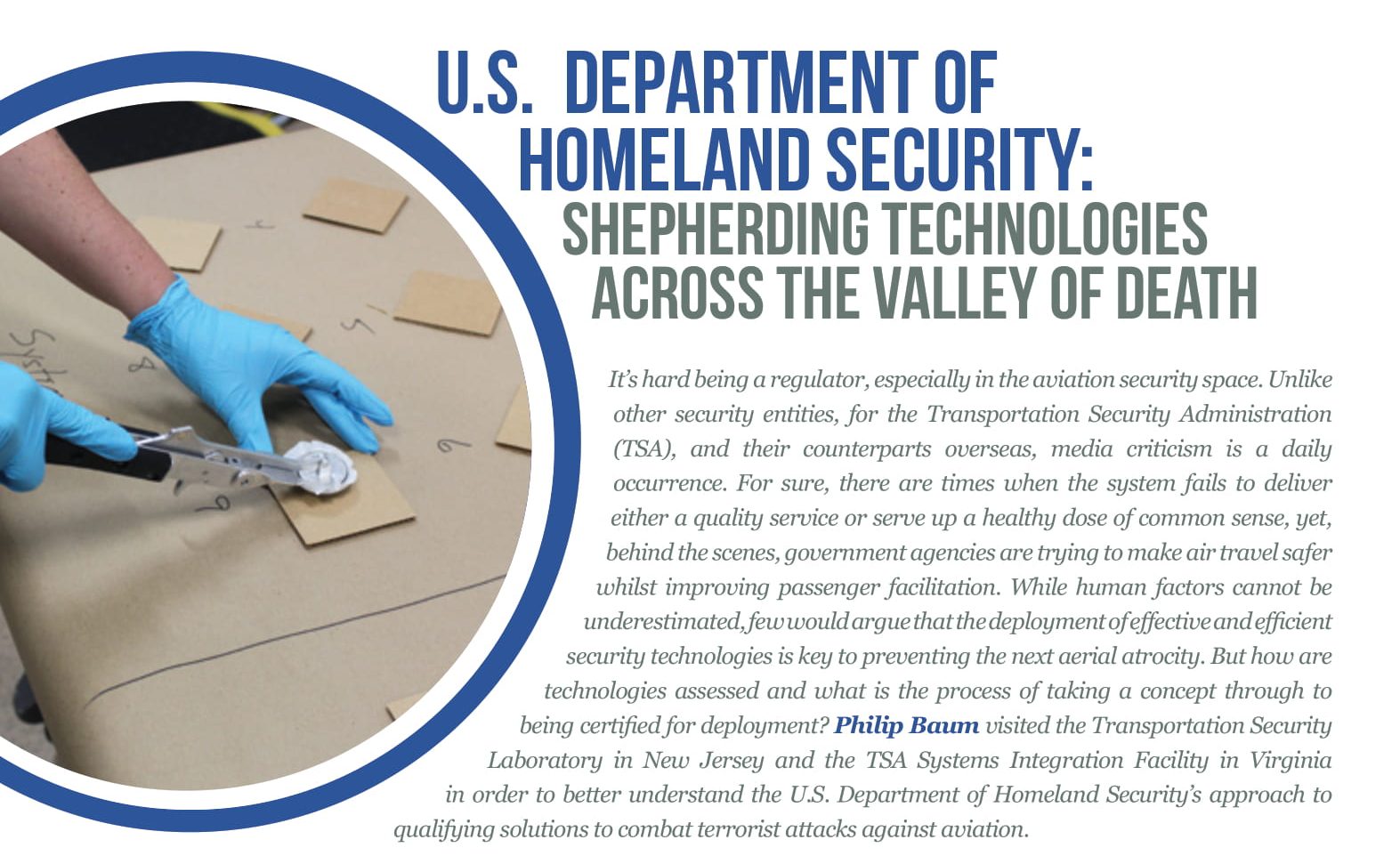
U.S. Department Of Homeland Security: shepherding technologies across the valley of death

By |2025-04-09T12:29:36+00:00October, 2012|

AVSEC Opinion – The Parable of the Starfish

By |2025-04-09T12:28:57+00:00October, 2012|

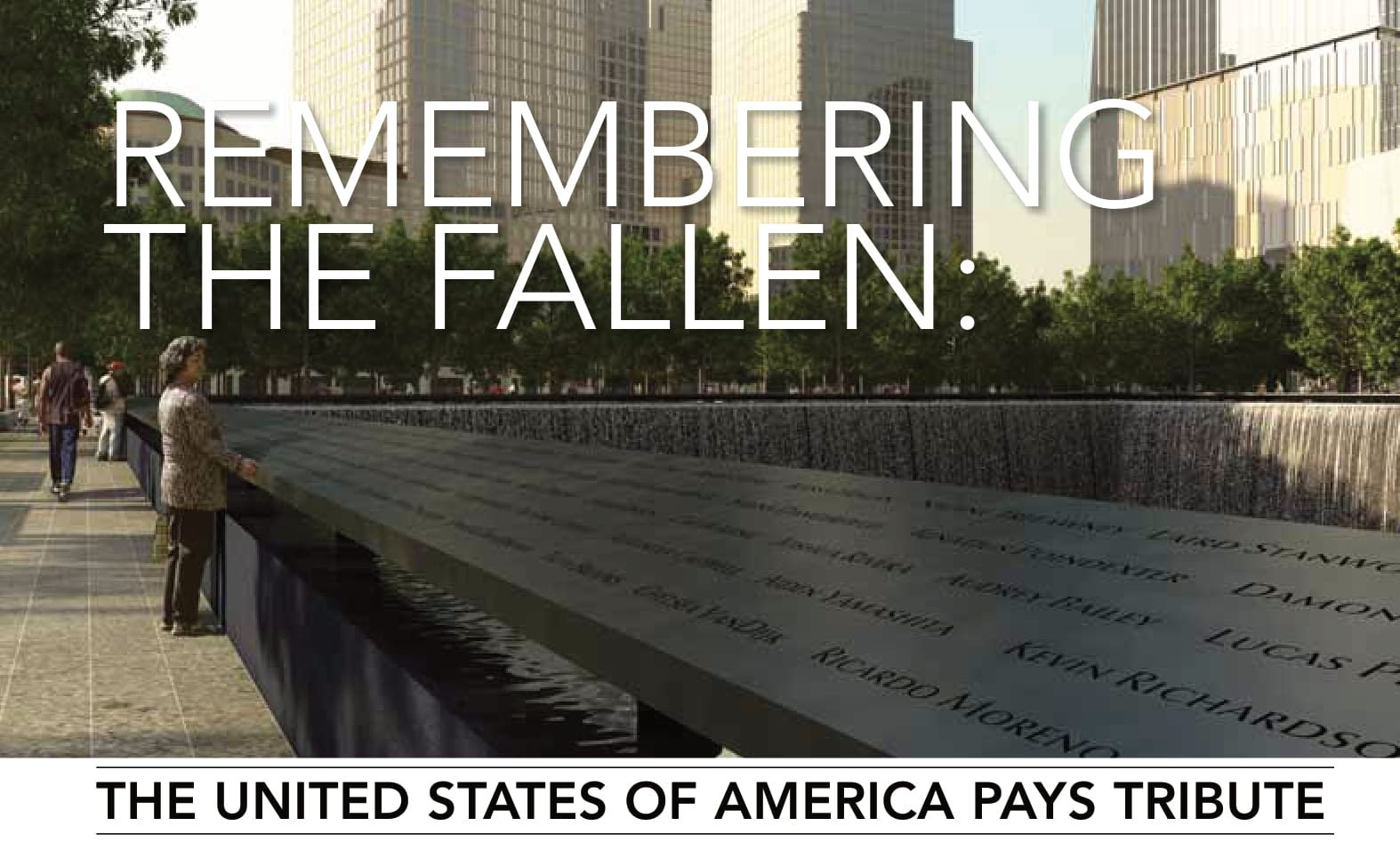
Remembering The Fallen: the United States of America pays tribute

Certain anniversaries have greater significance than others. In marriage terms, the 25th and 50th years are milestones; key birthdays are marked by celebrations, at various ages depending upon the culture and religious background one comes from; and, historical events and constructions are subject to greater focus upon their centenary and every hundred years thereafter. Deaths, however, are rarely memorable dates on the calendar... unless associated with events that changed the world. Whilst many people recall where they were the moment they heard of the deaths of Kennedy, Saddam Hussein or Princess Diana, or even the tsunamis of the past decade, few will recall the actual date on which they occurred. 11th September 2001, however, has became a date that the world now associates with one of the world’s most significant terrorist attacks ever committed...and now, in 2011, it seems an opportune anniversary to reflect upon an event, the brutality of which is still hard to believe. The families of the victims will never forget, but the tenth anniversary of the attacks provided the rest of the civilised world to remember, mourn and reflect regardless as to whether one knew a victim or not. Philip Baum travelled to Washington and New York to see how the anniversary was marked.

By |2025-04-09T12:28:41+00:00October, 2011|
Go to Top