

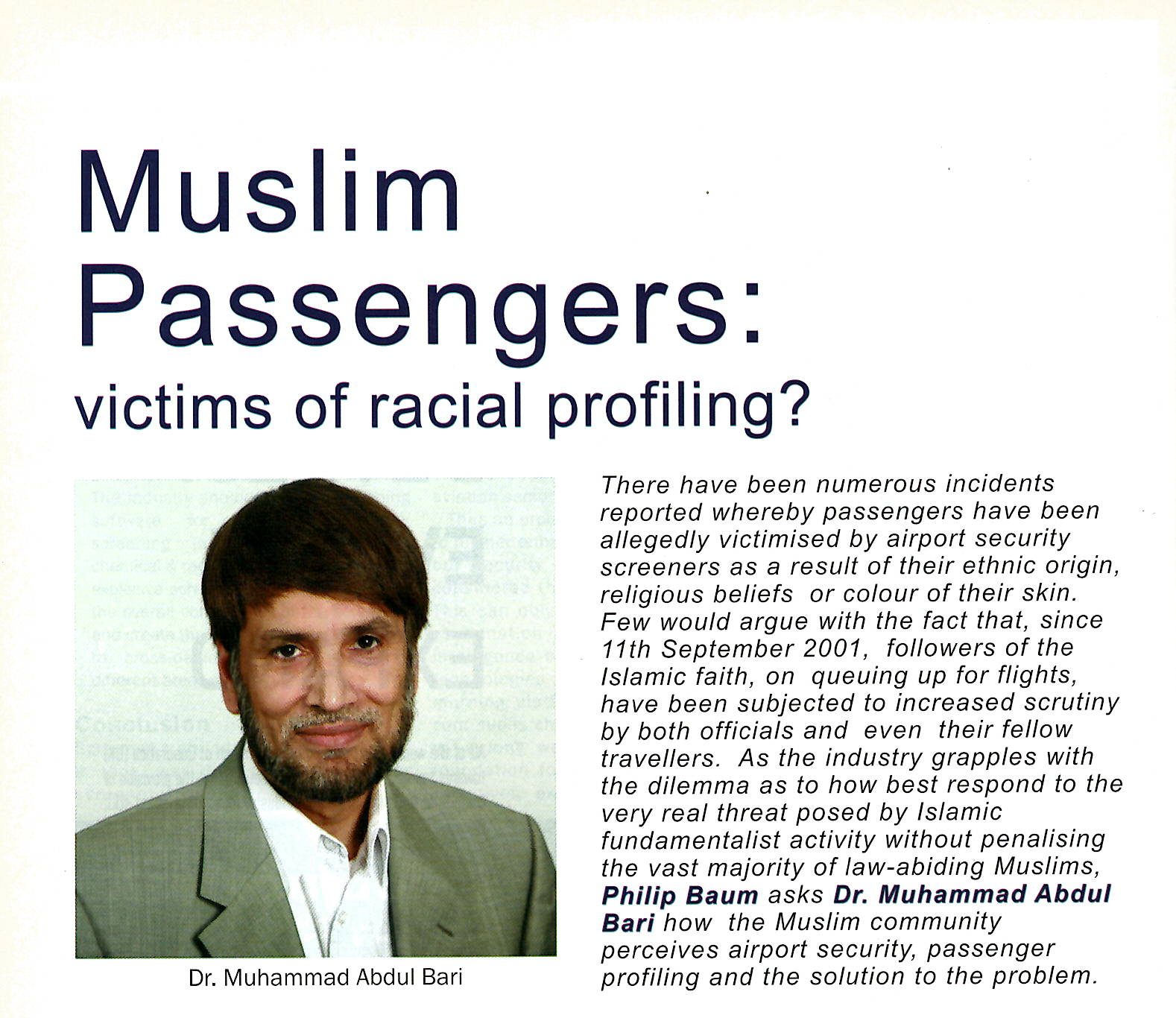
Interview: Muslim Passengers: victims of racial profiling?
There have been numerous incidents reported whereby passengers have been allegedly victimised by airport security screeners as a result of their ethnic origin, religious beliefs or colour of their skin. Few would argue with the fact that, since 11th September 2001, followers of the Islamic faith, on queuing up for flights, have been subjected to increased scrutiny by both officials and even their fellow travellers. As the industry grapples with the dilemma as to how best respond to the very real threat posed by Islamic fundamentalist activity without penalising the vast majority of law-abiding Muslims, Philip Baum asks Dr. Muhammad Abdul Bari how the Muslim community perceives airport security, passenger profiling and the solution to the problem.
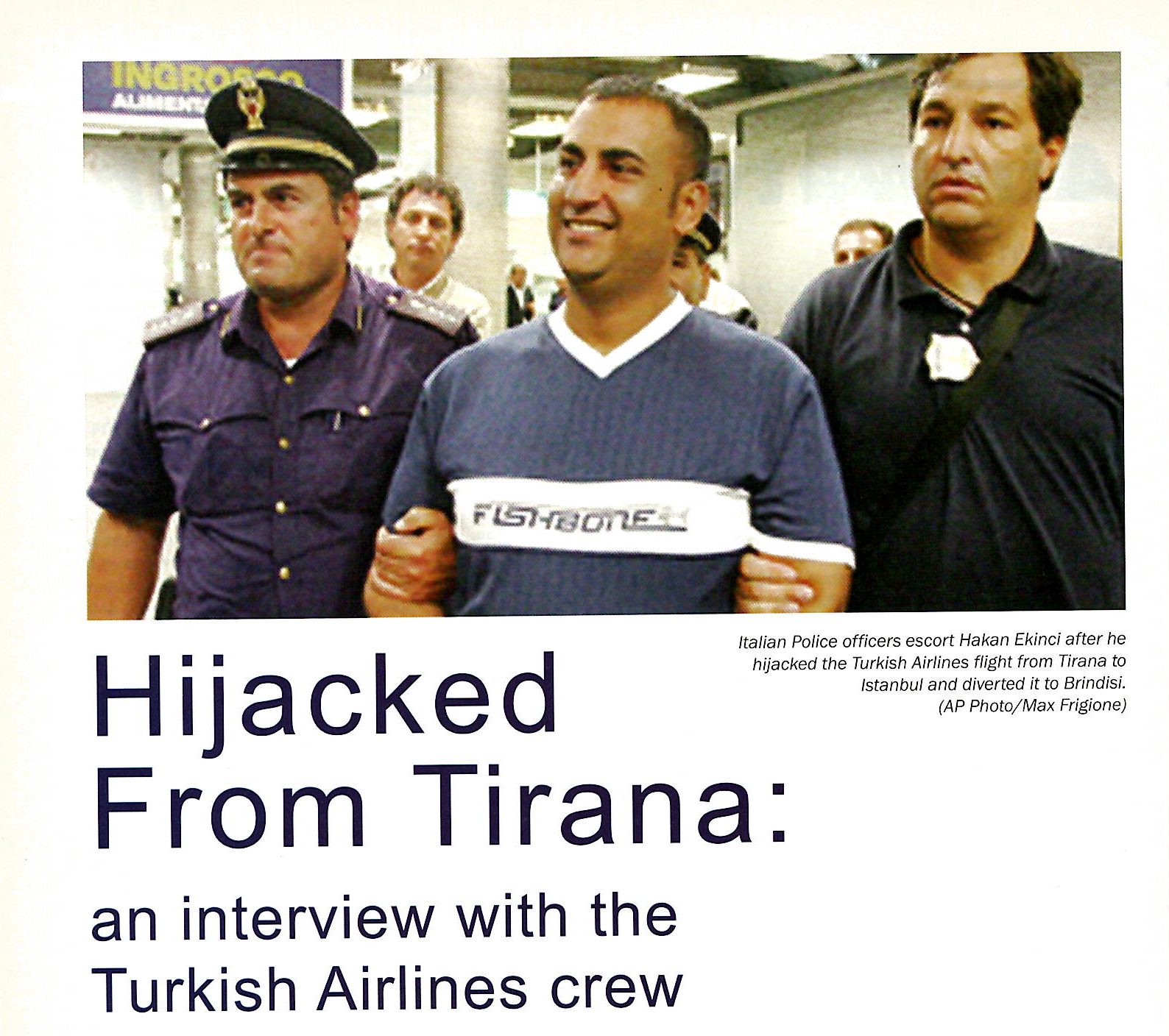
Hijacked From Tirana: an interview with the Turkish Airlines crew
On 3rd October 2006 Turkish Airlines flight 1476 departed Tirana, Albania, for Istanbul. In the cockpit were Captain Mürsel Gökalp (MG) and First Officer Yavuz Yilmaz, both former members of the Turkish Air Force. In the cabin were Chief Flight Attendant Nazenin Donder (ND) and three other crewmembers looking after the 107 passengers on board. Amongst those passengers were Sabri Abazi, an Albanian Member of Parliament, four beauty queens who had been participating in the Miss Globe international pageant, and one Hakan Ekinci who, shortly after take-off hijacked the aircraft to Brindisi, Italy. Philip Baum (PB) travelled to Istanbul to interview the crew of the flight who now tell their tale...

Hot Off The Press: the latest technological offerings
The answers to many of our security woes are provided by some of the revolutionary technologies being developed by both the security giants and the ambitious, yet creative, manufacturing minnows. Philip Baum collates some of the products that are likely to have an impact on the safeguarding of the aviation industry in the not too distant future. Whilst there is no single silver bullet to counter all threats, technologies do exist that can significantly enhance the effectiveness of our aviation security regime.

Israel Unexposed: sites, solutions and security
After every "successful" attack against civil aviation, heads turn towards the gurus of aviation security for advice and analysis. Israel, due to its unique history in battling terror in the skies, is often proffered as a case study of excellence. Whilst many of the methodologies utilised have no place in the global arena, there are certainly lessons to be learned from the Israeli approach and technologies that may enhance the security of airports and airlines elsewhere around the world. With this in mind, the Israel Export and International Cooperation Institute opened the doors of airports, seaports, border crossings and manufacturers in early December and invited representatives of overseas airports, airlines and regulatory authorities to "come and see". Philip Baum joined the tour and reports here on security Holy Land-style.
Widerøe: security for short field operations
The hijacking of the Kato Airline Dornier 228 en route from Narvik to Bodø in September last year may have failed to grasp the attention of the international media. In Norway itself, however, the story had a significant impact. The reality that such a carrier could be target, and on a flight between towns unheard of by almost all non-Norwegian readers of this publication, was a wake-up call to the domestic aviation industry, let alone a lesson the rest of the world could well learn.

Emerging Technologies: new offerings for 2005
There are many new security technologies lurking in the wings. Some may yet take centre stage in the industry's attempt to prevent criminal acts against civil aviation. Philip Baum rounds up a few of the latest offerings to hit the market that offer an innovative approach to resolving a long-standing problem.
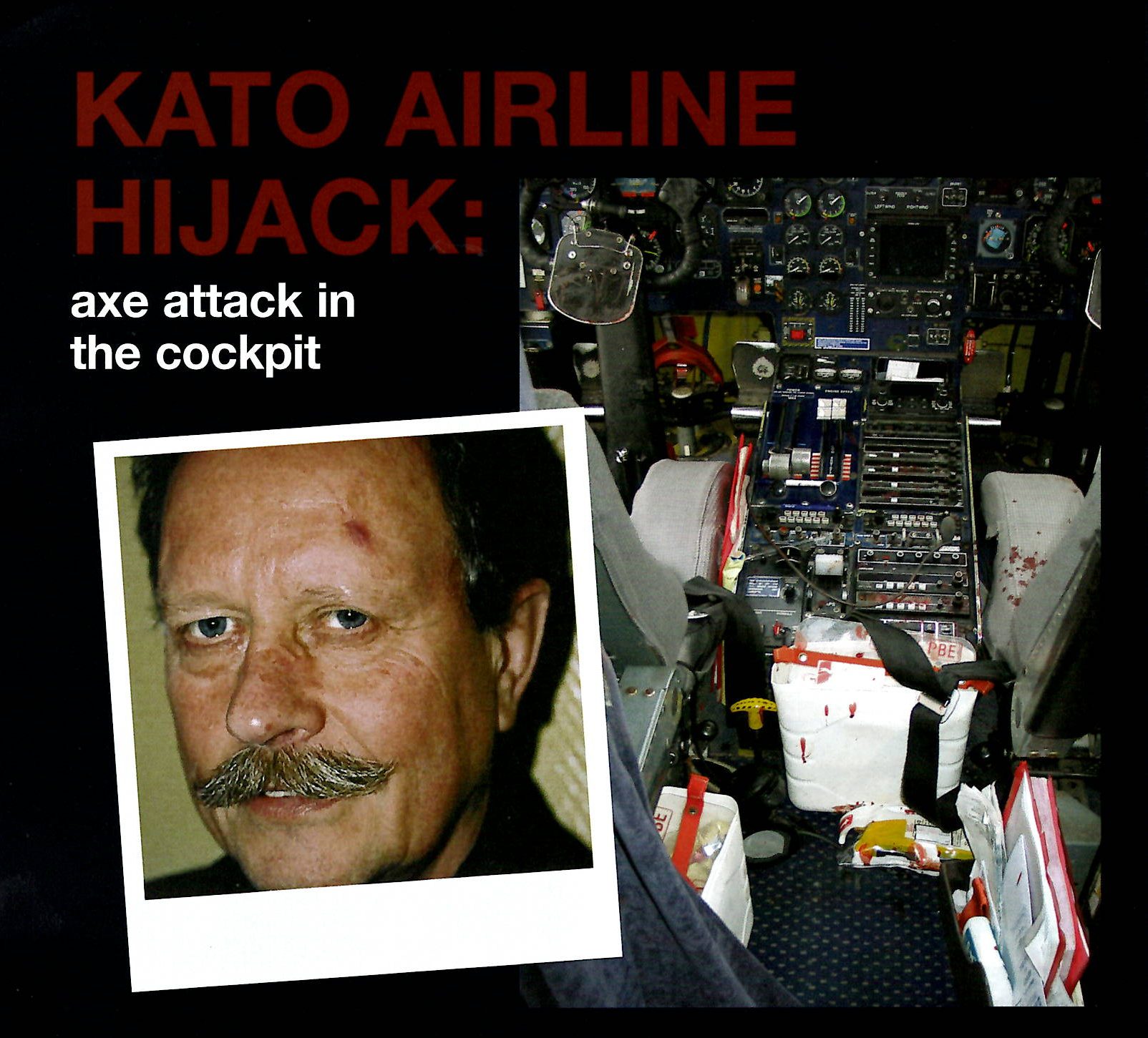
Interview – Kato Airline Hijack: axe attack in the cockpit
On the morning of 29 September 2004, a Kato Airline Dornier 228 departed the Norwegian town of Narvik on one of its daily flights to Bodø. Shortly before landing, a man, armed with an axe, charged into the cockpit and attacked the Captain and First Officer in an apparent suicide bid. Given that only 18 months have passed since a similar attack on a Qantas flight to Tasmania, the industry now has to recognise that such suicidal hijackers are the latest challenge to the aviation security system. They can strike any airline, anywhere, and there is unlikely to be much in the way of intelligence to help prevent such an incident. Indeed, the two latest incidents, on opposite sides of the world are a far cry from the high-risk routes we tend to focus much of our attention on. Philip Baum travelled to Stavanger to interview Captain Stein Magne Lian the pilot-in-command of Kato Airline flight 605, about the incident...
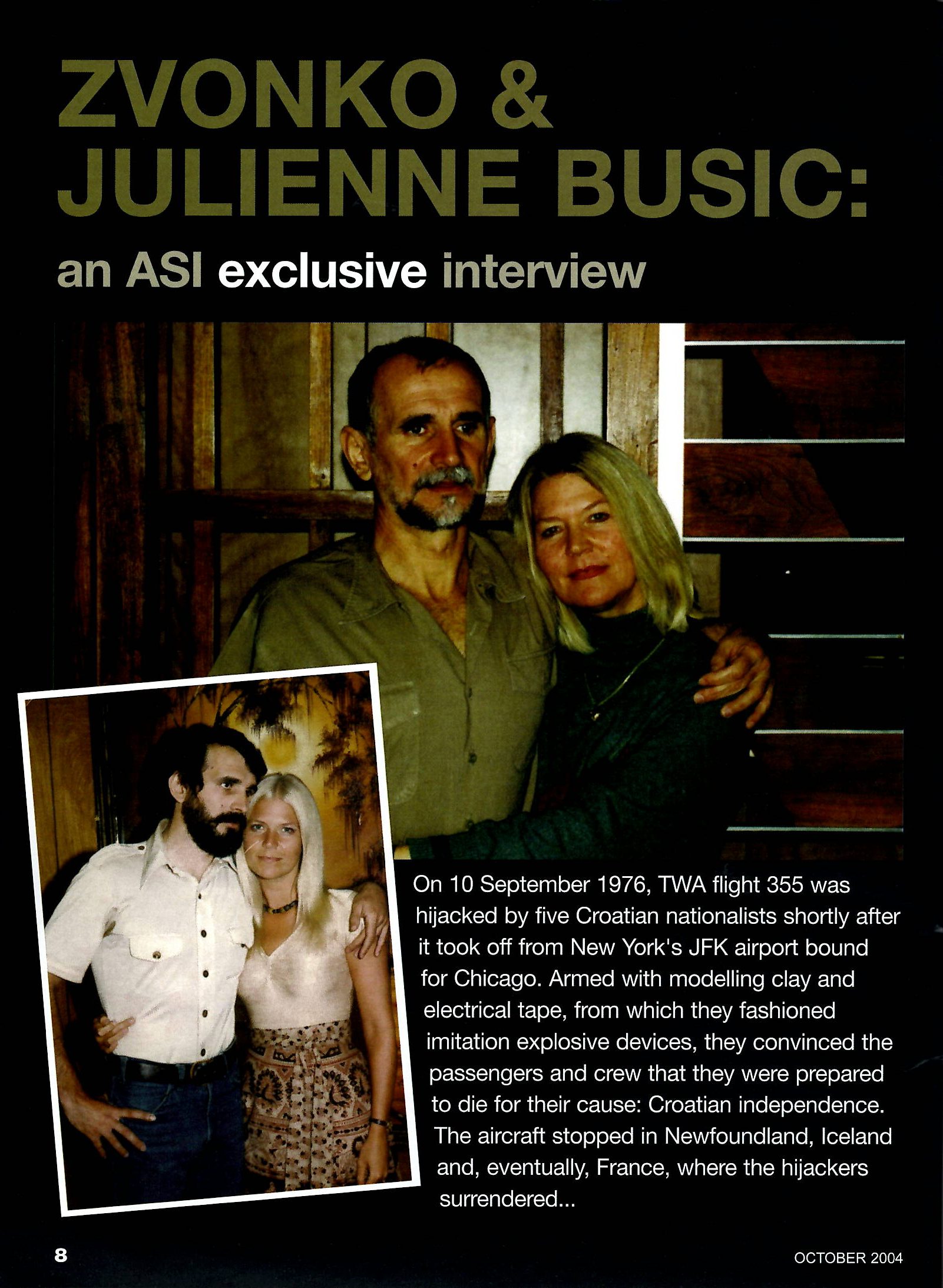
Interview – Zvonko & Julienne Busic: an ASI exclusive interview
On 10 September 1976, TWA flight 355 was hijacked by five Croatian nationalists shortly after it took off from New York's JFK airport bound for Chicago. Armed with modelling clay and and electrical tape, from which they fashioned imitation explosive devices, they convinced the passengers and crew that they were prepared to die for their cause: Croatian Independence. The aircraft stopped in Newfoundland, Iceland and, eventually, France, where the hijackers surrendered...
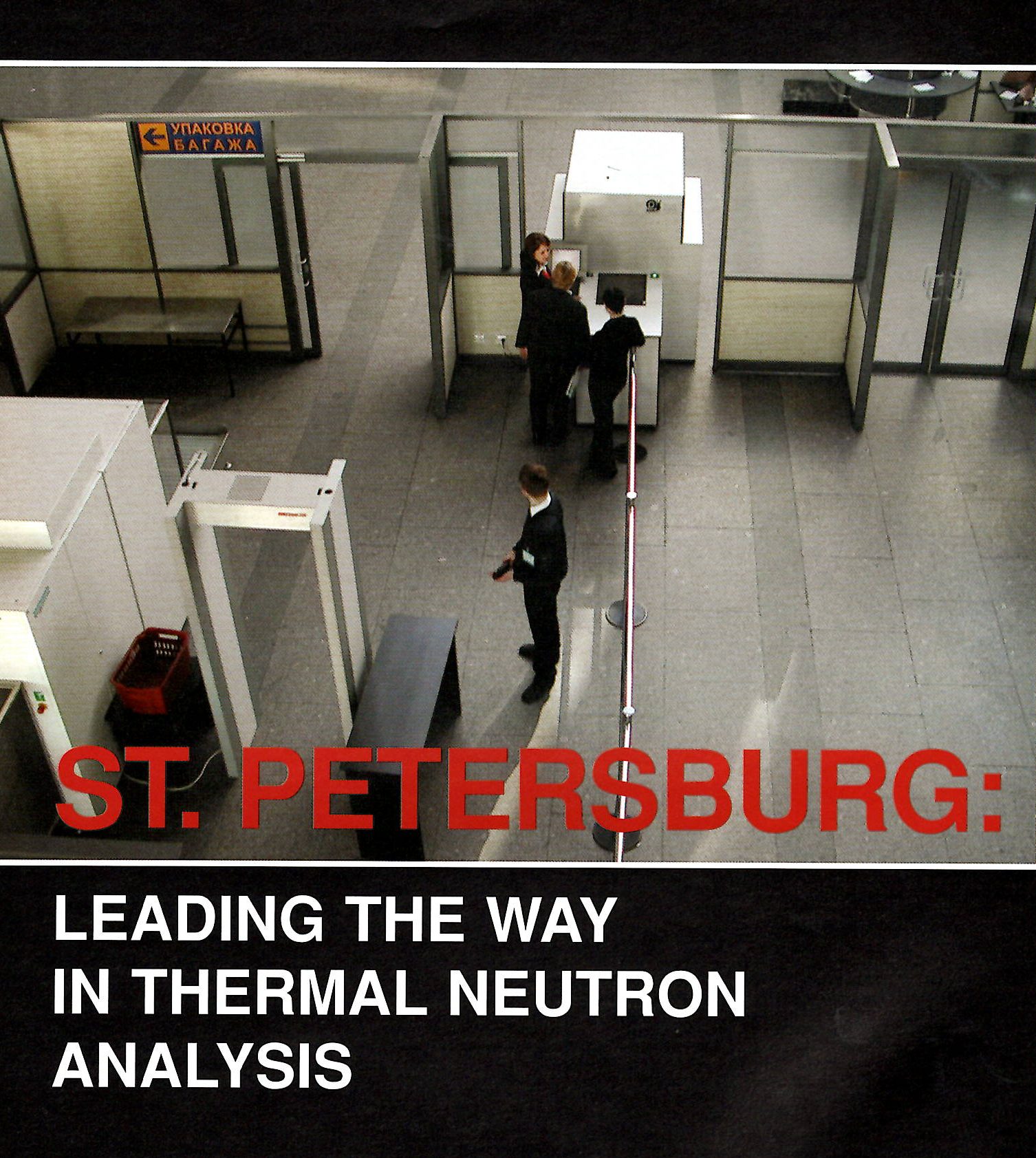
St. Petersburg: leading the way in thermal neutron analysis
Russia may not be where one first turns ones attention to when considering emerging security technologies, yet as Philip Baum discovers, perhaps we have had blinkered vision. For, in St. Petersburg's Pulkovo Airport, together with 100% inspection of check-in and carry-on baggage, Thermal Neutron Analysis (TNA) explosive detection systems are now part and parcel of the security infrastructure.
USA: An All American Extravaganza
From the Atlantic to the Pacific, some of the world's leading research and development of new technologies to counter the terrorist threat has been taking place in the United States. Philip Baum travels Route 66 in search of American avsec solutions.
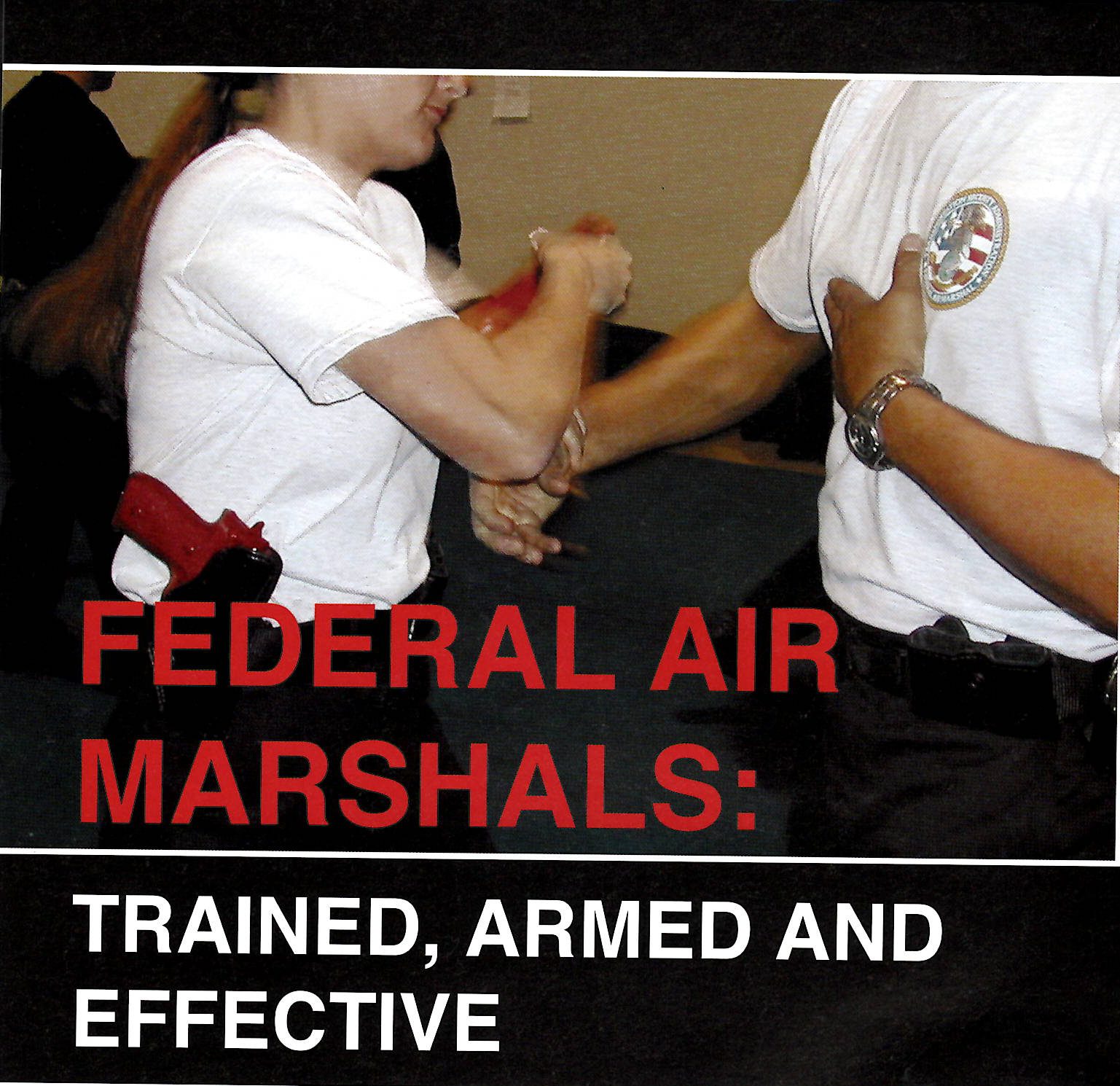
Federal Air Marshals: trained, armed and effective
The international debate surrounding sky marshal deployment has captivated the world's media. To deploy or not to deploy? Armed or not? A danger to flight safety or a necessary measure to respond to the current threat? Many questions to which Philip Baum sought answers when he headed to Atlantic City to look at the American air marshal training programme and interview the programme's Director, Thomas Quinn, exclusively for Aviation Security International.

Interview – Independence Day Rage: a victim’s tale
On 4 July 2001, Kristen L. Skogrand was a passenger on Lufthansa Flight DLH 449 from Phoenix to Frankfurt. What should have been a pleasant Independence Day flight turned into a nightmare in which he became a victim of air rage. Philip Baum ascertains Skogrand's view as to just how this incident turned violent resulting in a flight diversion, litigation and lifelong perjury.
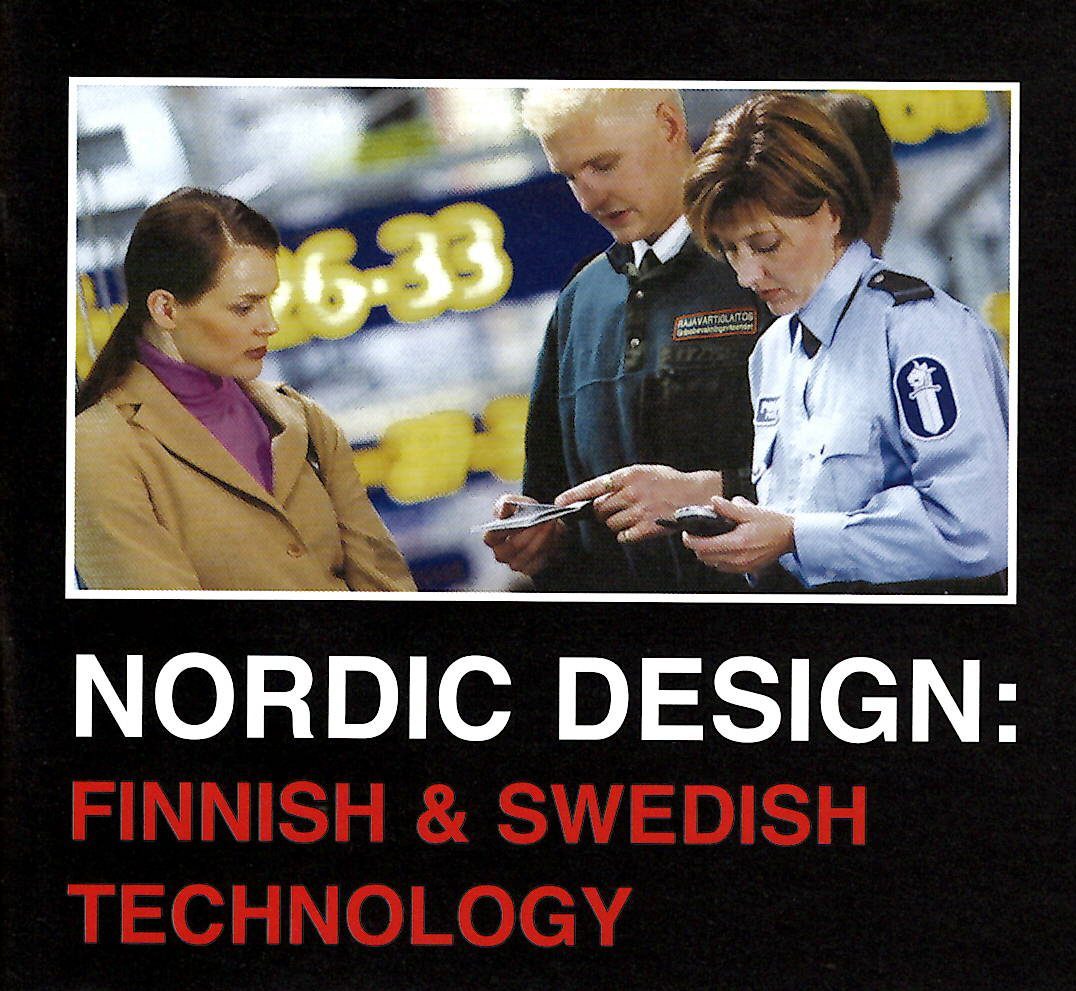
Nordic Design: Finnish & Swedish technology
The Nordic countries have long been renowned for their design capabilities in the fields of fashion, architecture, ceramics and jewellery. Yes, as Philip Baum discovered, even in the security industry the Nordic region is developing some of the most effective, and aesthetic, technologies and some of our industry's most famous names are proud to call it home.
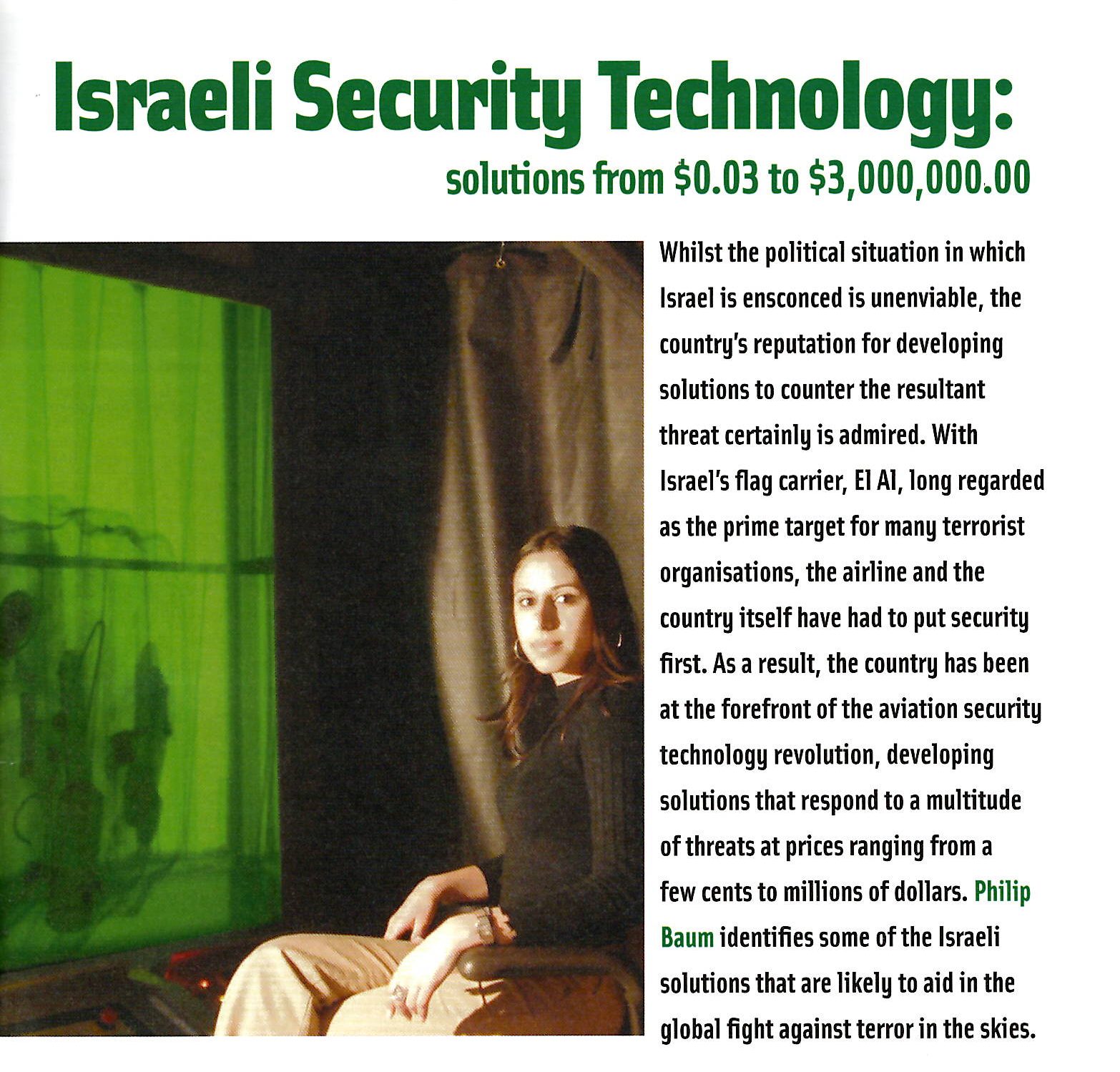
Israeli Security Technology: from $0.03 to $3,000,000.00
Whist the political situation in which Israel is ensconced is unenviable, the country's reputation for developing solutions to counter the resultant threat certainly is admired. With Israel's flag carrier, El Al, long regarded as the prime target for many terrorist organisations, the airline and the country itself have had to put security first. As a result, the country has been at the forefront of the aviation security technology revolution, developing solutions that respond to a multitude of threats at prices ranging from a few cents to millions of dollars. Philip Baum identifies some of the Israeli solutions that are likely to aid in the global fight against terror in the skies
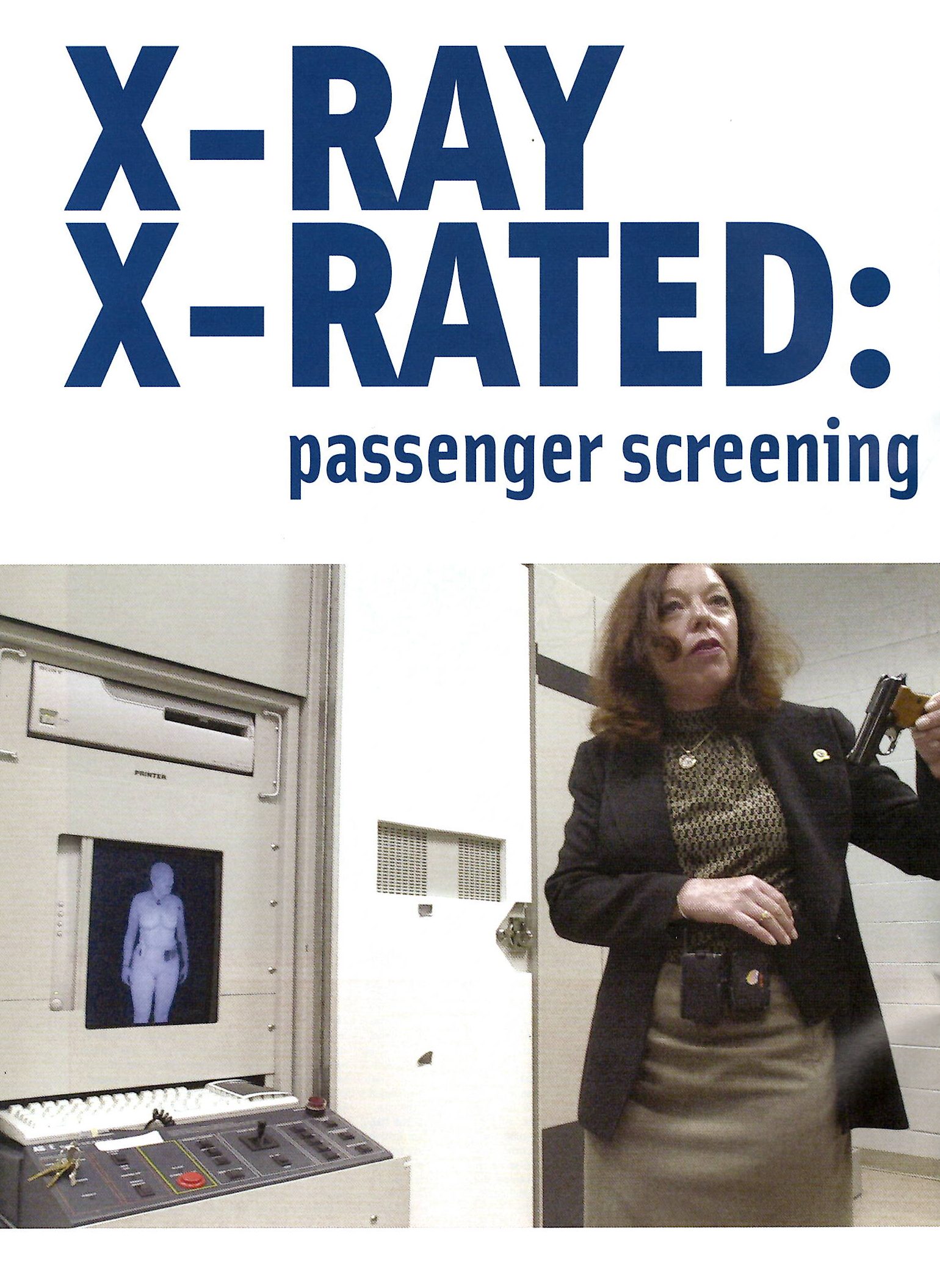
X-Ray X-Rated: passenger screening
The hijacking of a Qantas flight en route to Tasmania in May 2003 was a clear demonstration of the fallibility of screening passengers using metal detection technology alone. Since long before 11th September 2001, manufacturers have been attempting to find a solution that is both effective and acceptable to the flying public. Millimetre wave imaging and actual passengers X-ray are just two of the solutions being mastered. Philip Baum investigates just how far along the road we have gone in the attempt to provide adequate passenger screening.
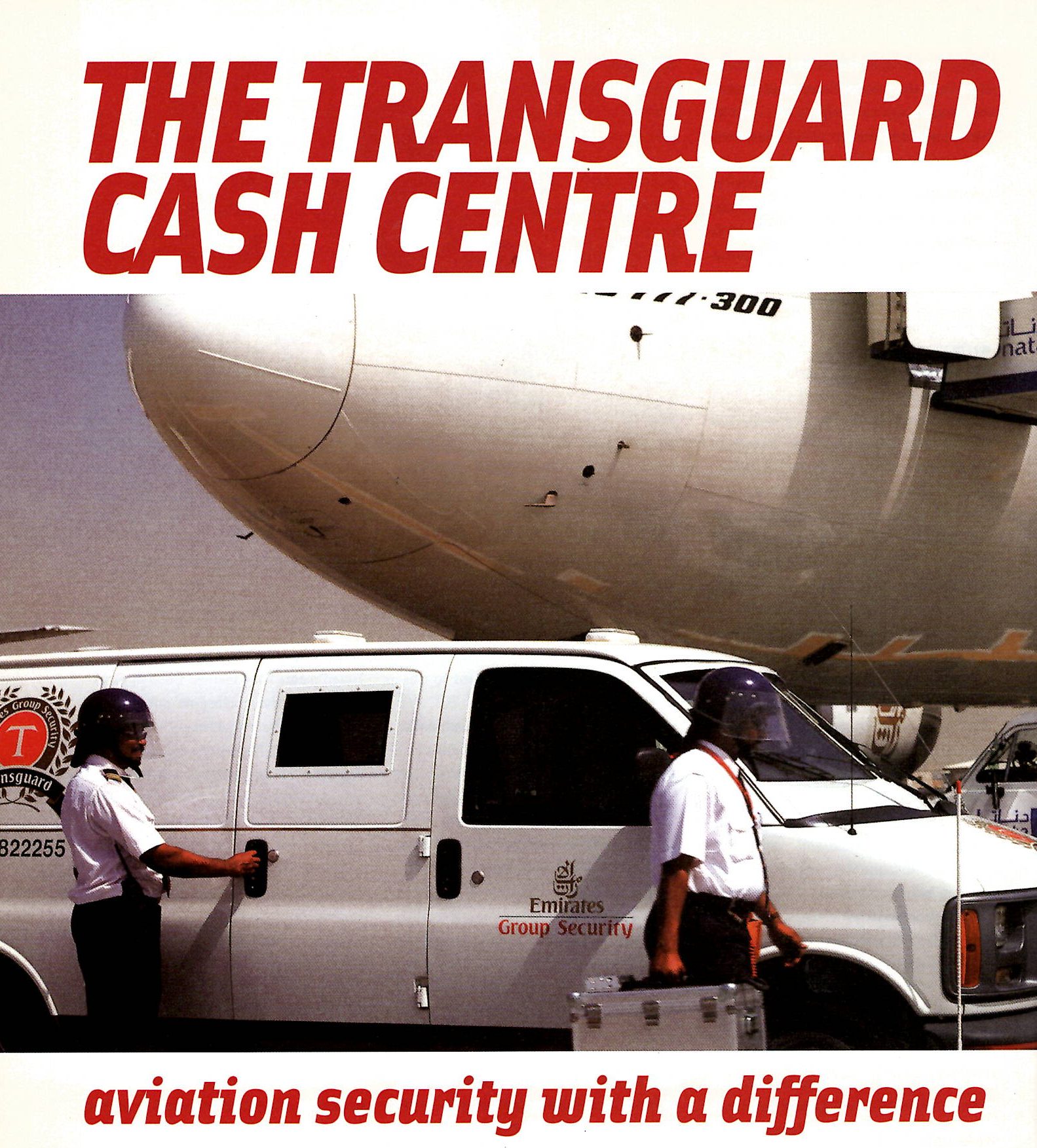
The Transguard Cash Centre: aviation security with a difference
Emirates is synonymous with quality. The airline wins award after award for its inflight service and is widely regarded as one of the world's premier carriers. It is this reputation that has helped it ensure that, despite the war in Iraq having been waged in such close geographic proximity to its home base of Dubai and it serving many of the countries worst affected by SARS, it continues to prosper and flies full...
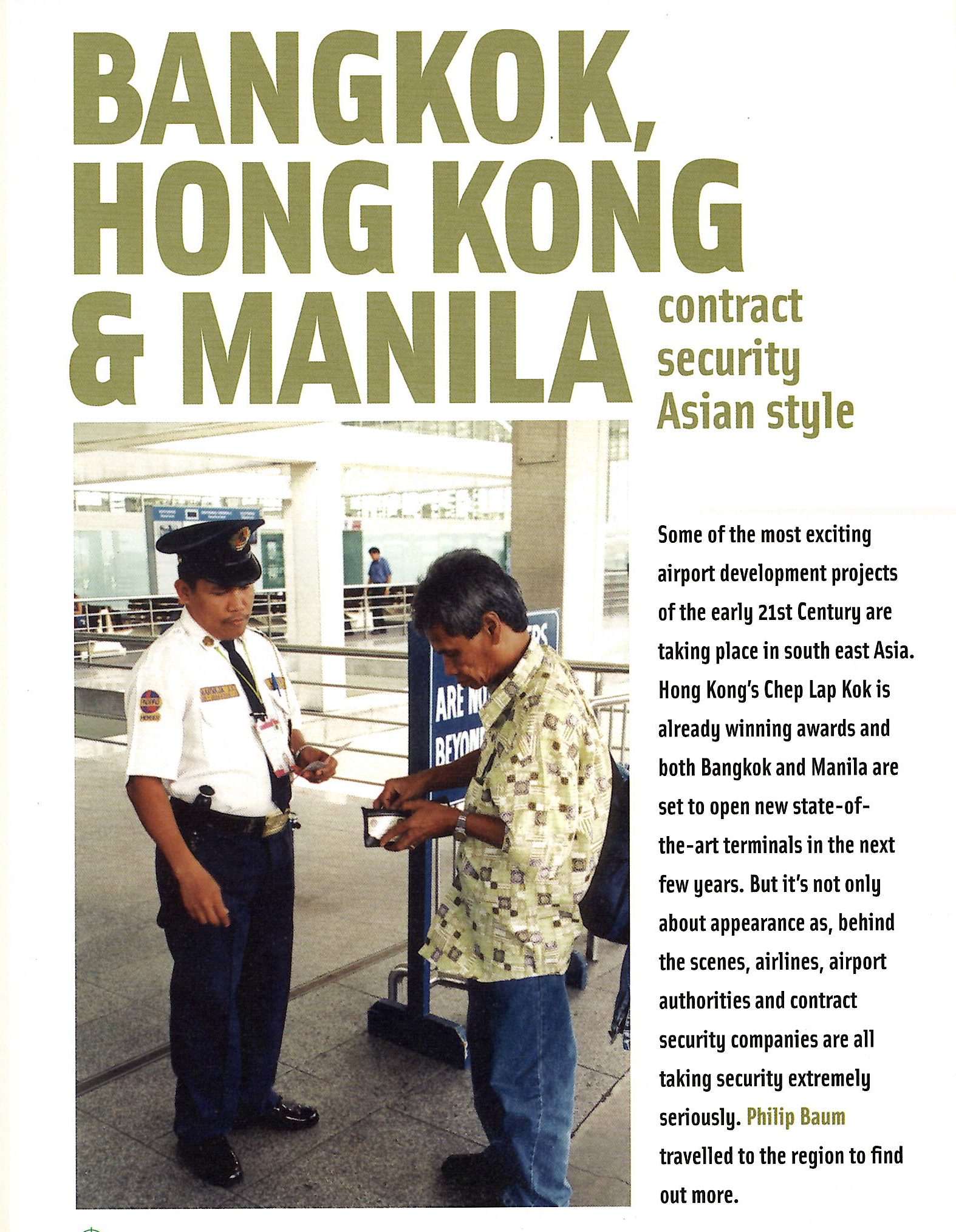
Bangkok, Hong Kong & Manila contract security Asian Style
Some of the most exciting airport development projects of the early 21st Century are taking place in south east Asia. Hong Kong's Chep Lap Kok is already winning awards and both Bangkok and Manila are set to open new state-of-the-art terminals in the next few years. But it's not only about appearance as, behind the scenes, airlines, airports authorities and contract security companies are all taking security extremely seriously. Philip Baum travelled to the region to find out more.
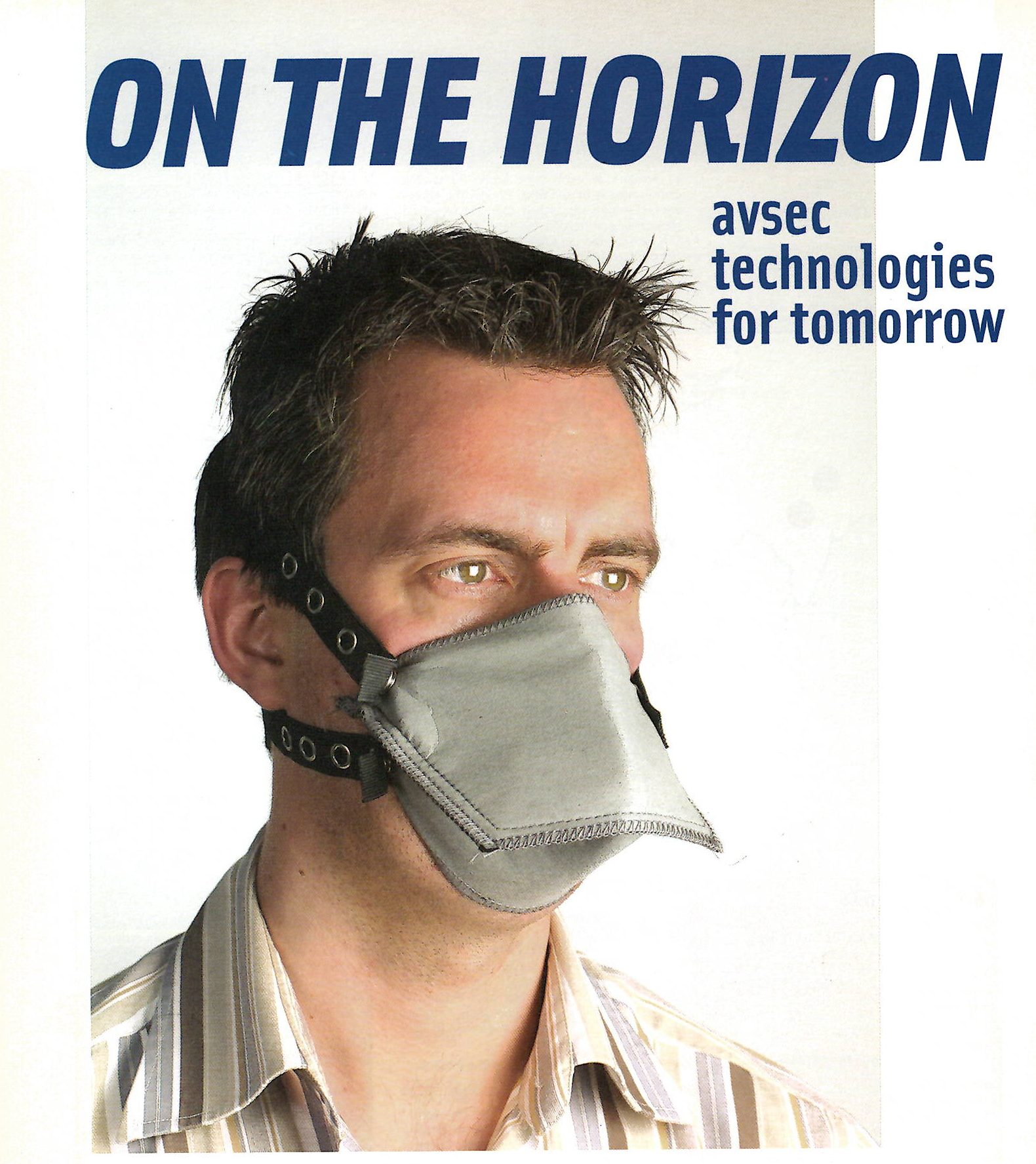
On The Horizon avsec technologies for tomorrow
Behind the scenes, around the globe, manufacturers are researching new technologies to aid our efforts to combat the threat posed to civil aviation. Philip Baum reviews some of the products currently being developed that may become standard installations at airports and on board aircraft in the future.

Made In Germany quality branding
From X-ray to biometrics and covert communication to system integration, Germany has been leading the way in the development of technologies that serve to enhance the aviation security community. In the same way that German cars, German photographic equipment and German household appliances have become synonymous with excellence, so too its security manufacturers are ever enhancing their reputation for the supply of quality products. Philip Baum paid some of the key players a visit to report of some of the country's latest offerings.

Interview: Behaviour Pattern Recognition the new age of profiling
When Rafi Ron tendered his notice to the Israel Airports Authorities, little did he know how significantly the aviation security industry would change or how timely his decision was to establish New Age. Philip Baum caught up with him in Boston where New Age are acting as consultants to the airport that has been one of the most proactive in security development despite, or perhaps because of, it being the departure point for two of the hijacked airliners a year ago. Ron talks about how Boston's Logan Airport has adapted to the new era and explains his faith in a new style of profiling - behavioural pattern recognition.

Interview: Mineta Exclusive in conversation with the secretary
One year and one day after the worst breach of security in aviation history, Philip Baum travelled to Washington to meet the United States Secretary of Transportation, Norman Y. Mineta. In this exclusive interview, Mineta recalls 911 from a personal perspective then expounds on some of the significant achievements of the past year in respect of aviation security in the United States.
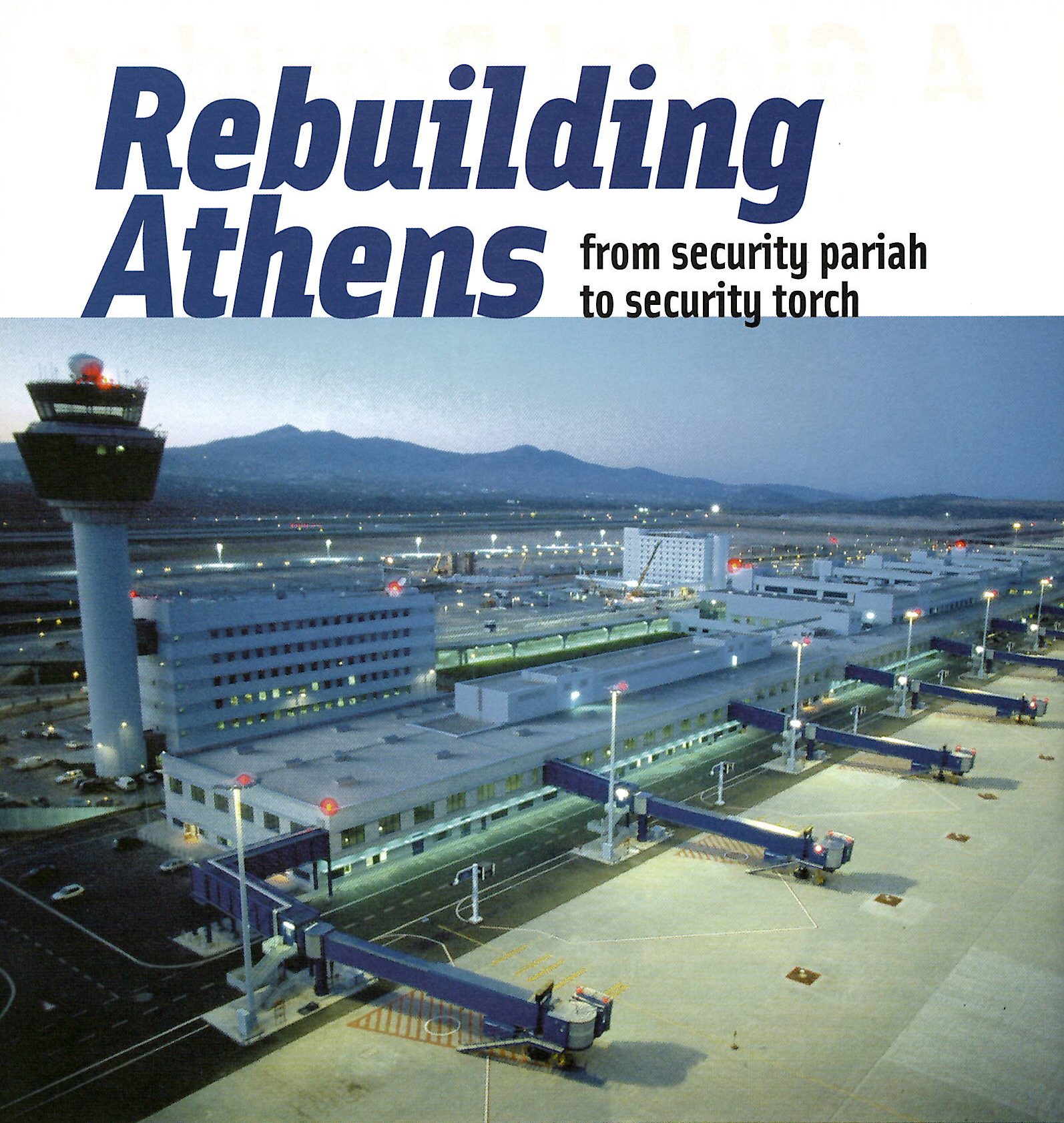
Rebuilding Athens from security pariah to security torch
From an aviation security perspective, mention Athens and one cannot fail to be reminded of some of the high profile attacks in our brief history. The Greek authorities have quite naturally, been keen to put such incidents behind them and, sporting a brand new airport and with the city set to host the next Olympic Games in 2004, security is now equal to many of the best. Philip Baum flew in to report on the airport's odyssey from security pariah to security torch.

Interview: Vesna Vulovic how to survive a bombing at 33,000 feet
On 26 January 1972, a Jat DC-9 en route from Copenhagen to Zagreb and Belgrade exploded 33,000 feet over Srbska-Kamenice in Czechoslovakia. Ustashe, otherwise known as the Croatian National Movement, later admitted their responsibility for the bombing that should have killed all 29 passengers and crew. Miraculously, however, there was a survivor. he body of a flight attendant, Vesna Vulovic, was recovered from the wreckage. Thirty years on, Philip Baum travelled to Belgrade to hear her story.
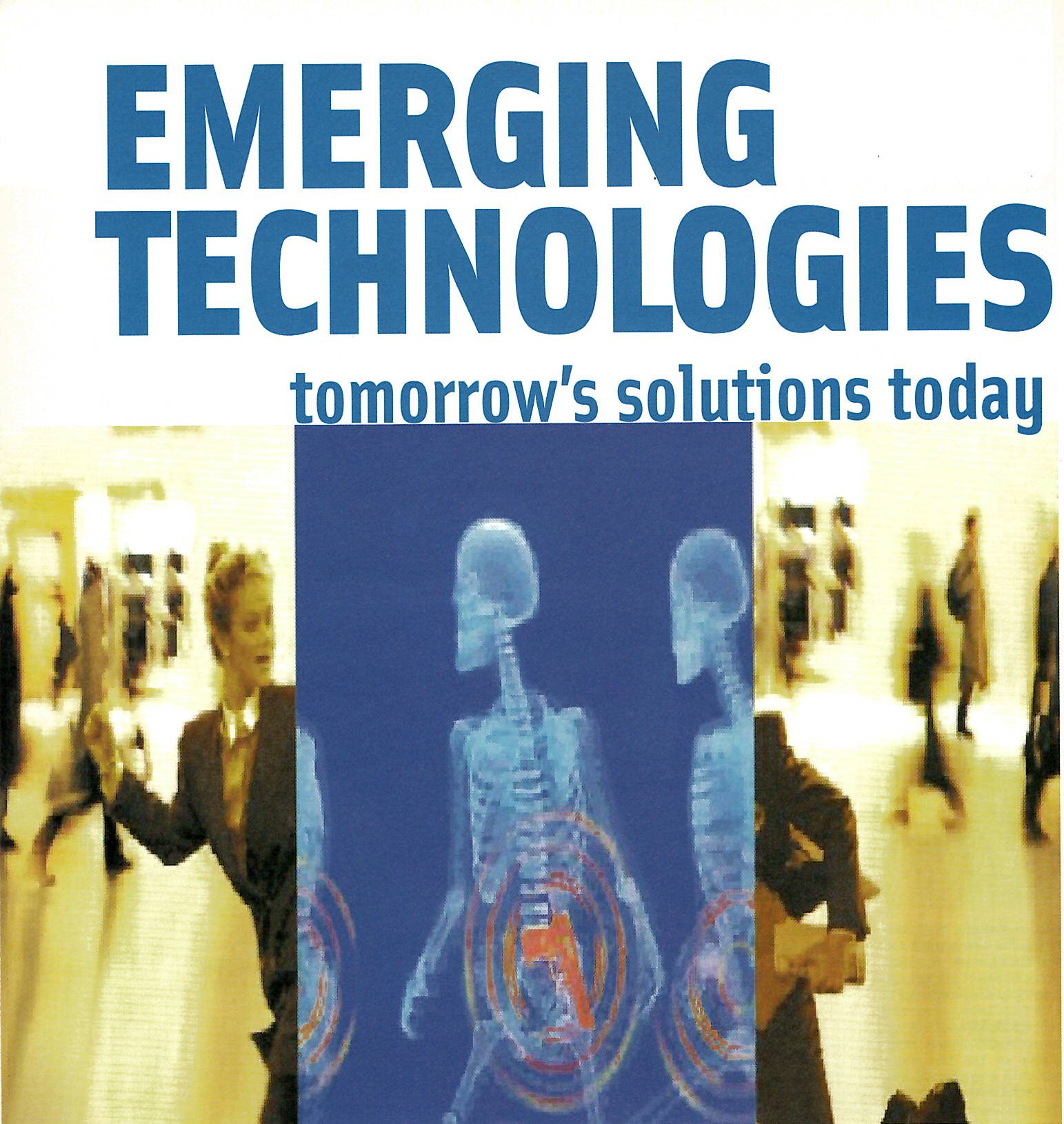
Emerging Technologies tomorrow’s solutions today
September 11th has called into question our strategies for confronting terrorism both in the global area of international politics and in the day-to-day preventative measures that are employed to protect civilians in their workplace, at their leisure venues and as they travel. The aviation security industry is being overhauled and many new technologies are surfacing to counter the threat. Philip Baum highlights some of the technologies, which six months ago were thought to belong to the distant future, and which are now already being tried and tested in airports around the globe.
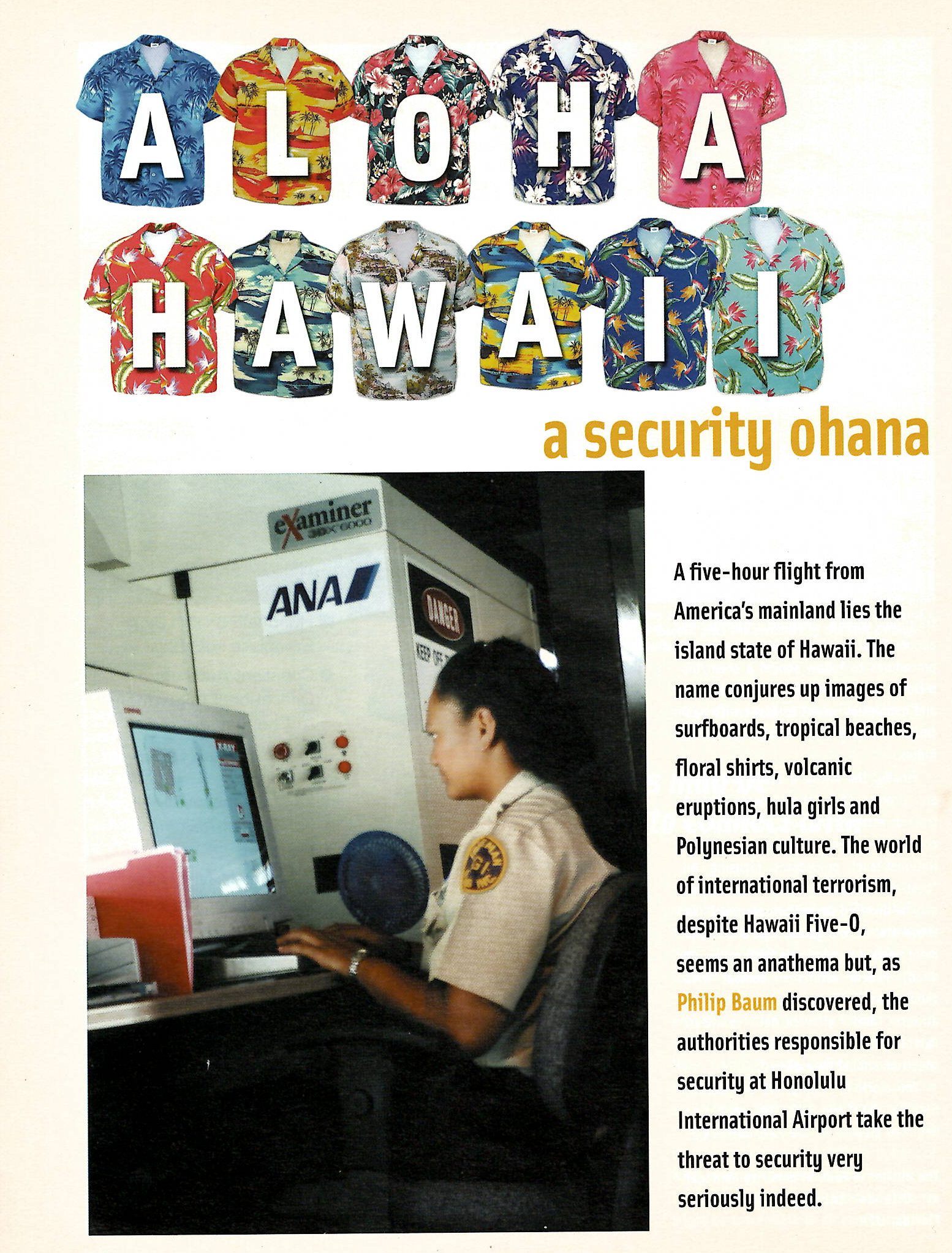
Aloha Hawaii a security ohana
A five-hour flight from America's mainland lies the island state of Hawaii. The name conjures up images of surfboards, tropical beaches, floral shirts, volcanic eruptions, hula girls and Polynesian culture. The world of international terrorism, despite Hawaii Five-O, seems an anathema but, as Philip Baum discovered, the authorities responsible for security at Honolulu International Airport take the threat to security very seriously indeed.